How to Drink Less Alcohol
To drink less alcohol, start by noticing when, where and how much you drink, then set a clear, small goal, plan alcohol-free days and have a go-to alternative drink ready. Tell someone you trust, and expect a few bumps along the way. The CDC says drinking less is better for health than drinking more, and some people shouldn't drink at all. If cutting back feels hard, free and confidential help is available.
Alcohol is part of our Everyday Health section because, like sleep or sun care, it's woven into ordinary days: after work, at dinner, on weekends. This guide is about practical choices, not judgment.
What the CDC says
The CDC says drinking less is better for health than drinking more. It also says some people shouldn't drink at all, including:
- People who are pregnant or might be pregnant
- People under 21
- People with certain health conditions
- People taking certain medications that can interact with alcohol
You don't need a specific reason to drink less. Some people cut back to sleep better, to save money, to feel clearer in the morning or simply because they want to. Any of those is a good enough reason.
Your doctor or pharmacist is the right person to ask whether alcohol is a concern with your health or medications.
Step 1: Notice your patterns
Before changing anything, spend a week or two noticing. A simple log in a notebook works. Note:
| What to note | Example |
|---|---|
| Day and time | Friday, 6 p.m. |
| Where and with whom | Work happy hour, coworkers |
| What and how much | Two glasses of wine |
| How you felt before | Tired, wound up |
| How you felt after | Relaxed at first, groggy the next morning |
Patterns usually show up fast. Many people find their drinking clusters around stress, certain friends, certain places or certain days.
Step 2: Set a small, clear goal
Vague goals like "drink less" are easy to forget. Clear goals are easier to follow:
- "No drinking Monday through Thursday."
- "One drink at dinners out, then switch to sparkling water."
- "Try a full alcohol-free month and see how I feel."
Pick one goal and write it down. You can adjust it later.
Step 3: Plan for your triggers
Use what you learned from your log:
- Stress after work. Try a short walk, a shower, a call with a friend or a few minutes of slow breathing before deciding whether to drink.
- Social events. Arrive with a plan, order your alternative first, and keep a drink in your hand so fewer people offer you one.
- Habit cues. If you always pour a drink while cooking, start pouring something else instead.
- Keeping it at home. Buying less, or not keeping alcohol in the house, removes the easy option.
Alternatives worth trying
- Sparkling water with citrus, berries or cucumber
- Iced tea or a decaf hot drink
- Non-alcoholic beers, wines or spirits, if that appeals to you
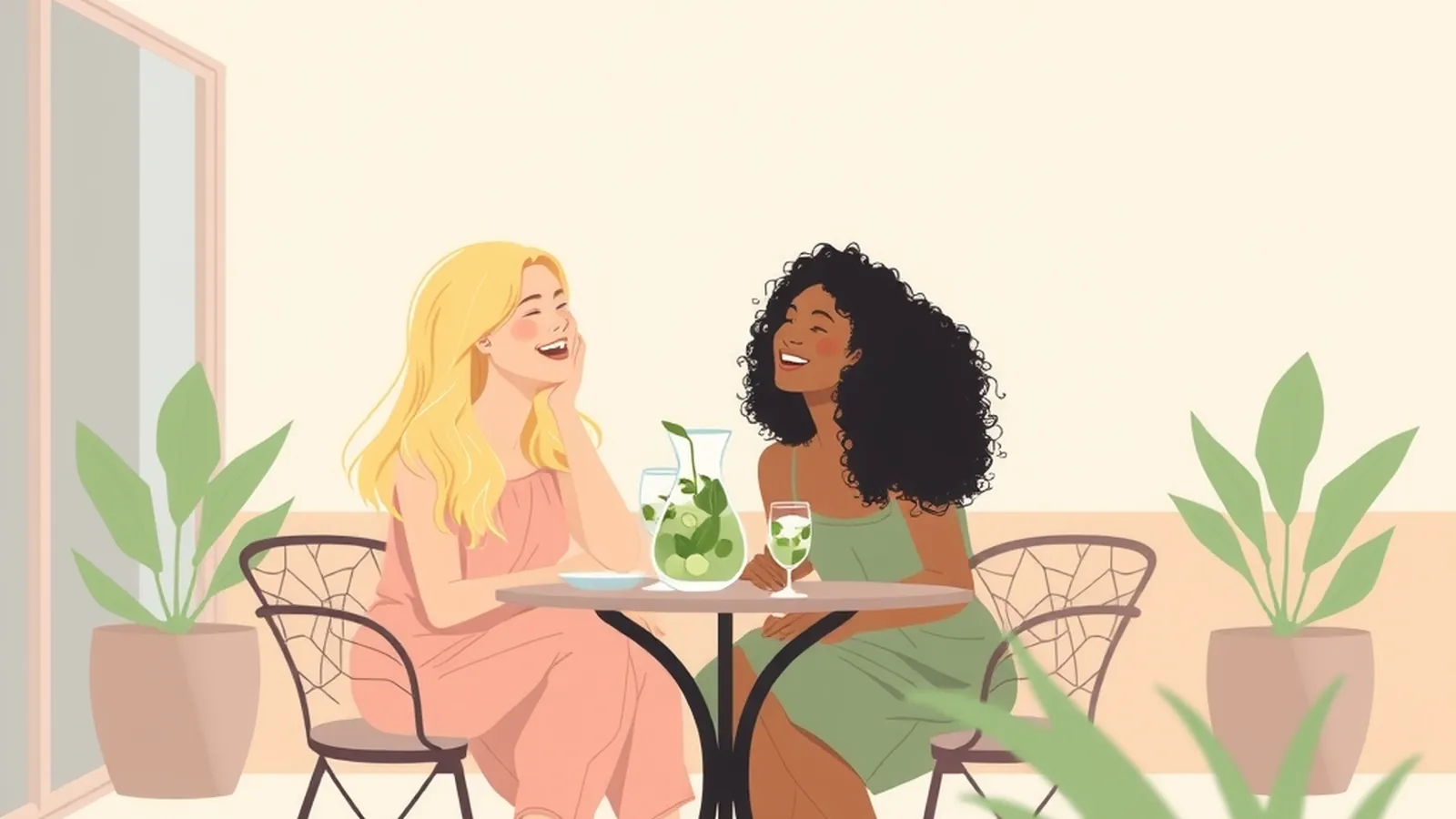
- A mocktail made with juice, soda water and fresh herbs
Non-alcoholic drinks are not right for everyone. If you're in recovery or avoiding alcohol completely, some people find drinks that look and taste like alcohol bring up cravings. Do what works for you.
Step 4: Get support
Changing a habit is easier with others on your side. Tell a friend or partner your goal. Suggest plans that don't center on drinking, like a walk, a movie or brunch.
If you find it hard to cut back, that's not a personal failure, and you don't have to do it alone. Places to start:
- Your doctor. They can talk through options and help you cut back safely.
- SAMHSA's National Helpline, 1-800-662-4357. It's free, confidential and available 24/7 for treatment referral and information. Our guide to when to get help explains this and other options in more detail.
- Mutual support groups in person or online.
- Free resources. Our guide to free reliable health resources covers community health centers and other low-cost care.
If you're in crisis in the US, call or text 988 (Suicide & Crisis Lifeline). For a medical emergency, call 911.
Handling pressure from others
Saying no to a drink can feel awkward, especially in groups where drinking is the norm. You don't owe anyone an explanation, but having a short, ready answer helps:
- "I'm good with this, thanks."
- "I'm taking a break for a while."
- "I'm driving tonight."
- "I've got an early morning."
Most people stop asking after the first answer. If someone keeps pushing, it says more about them than about you. Over time, many people find that friends adjust quickly, and some are quietly glad to have company in drinking less.
Be kind to yourself about setbacks
Changing a drinking habit rarely goes in a straight line. A night that doesn't go to plan is information, not proof that you can't change. Look back at what happened, adjust your plan, and keep going. If setbacks keep happening, that's a good moment to reach out to your doctor or one of the free resources above.
A worked example
Example: Taylor notices from a two-week log that most of their drinking happens on weeknights after stressful workdays. They set a goal of no drinking Sunday through Thursday, keep cans of flavored sparkling water in the fridge, and take a 15-minute walk when they get home. Some weeks go better than others. When one hard week ends in three drinks on a Tuesday, they write down what happened and start again the next day.
Drinking less alongside other changes
Alcohol and smoking often go together, and many people find cutting back on one makes them think about the other. If that's you, our guide to quitting smoking covers planning and free help. Drinking less also fits with the long-term habits in healthy habits for your 30s and 40s. And for something lighter, small daily routines like proper handwashing show how simple habits stack up over time.
This article is general information, not medical advice. Talk to your doctor about alcohol and your health.
Something to try today
Start a simple drink log today. Each time you drink, or think about drinking, jot down the time, place, who you're with and how you feel. After a week, look for one pattern you'd like to change.
Want a structured wellness program?
Some people like the structure of a paid program. This button opens a third-party health or wellness program from one of our advertising partners. Its claims are its own, not ours, and haven't been evaluated by us or the FDA. Talk to your doctor before starting any program, diet or supplement, and weigh any offer against our health red flags checklist.
See the partner program →We may be paid when you click. The program shown can change. Read its terms before you buy anything. How this works
Frequently asked questions
Is there a safe amount of alcohol?
The CDC says drinking less is better for health than drinking more, and some people shouldn't drink at all. What's right for you depends on your health, medications and history, so it's a good question to ask your doctor.
Is it dangerous to stop drinking suddenly?
For some people who drink heavily or every day, stopping all at once can be risky. If that sounds like you, talk to a doctor before cutting back so you can do it safely.
Where can I get confidential help with drinking?
SAMHSA's National Helpline, 1-800-662-4357, is free, confidential and available 24/7 for treatment referral and information. Your doctor is another good place to start. If you're in crisis, call or text 988.