Healthy Weight
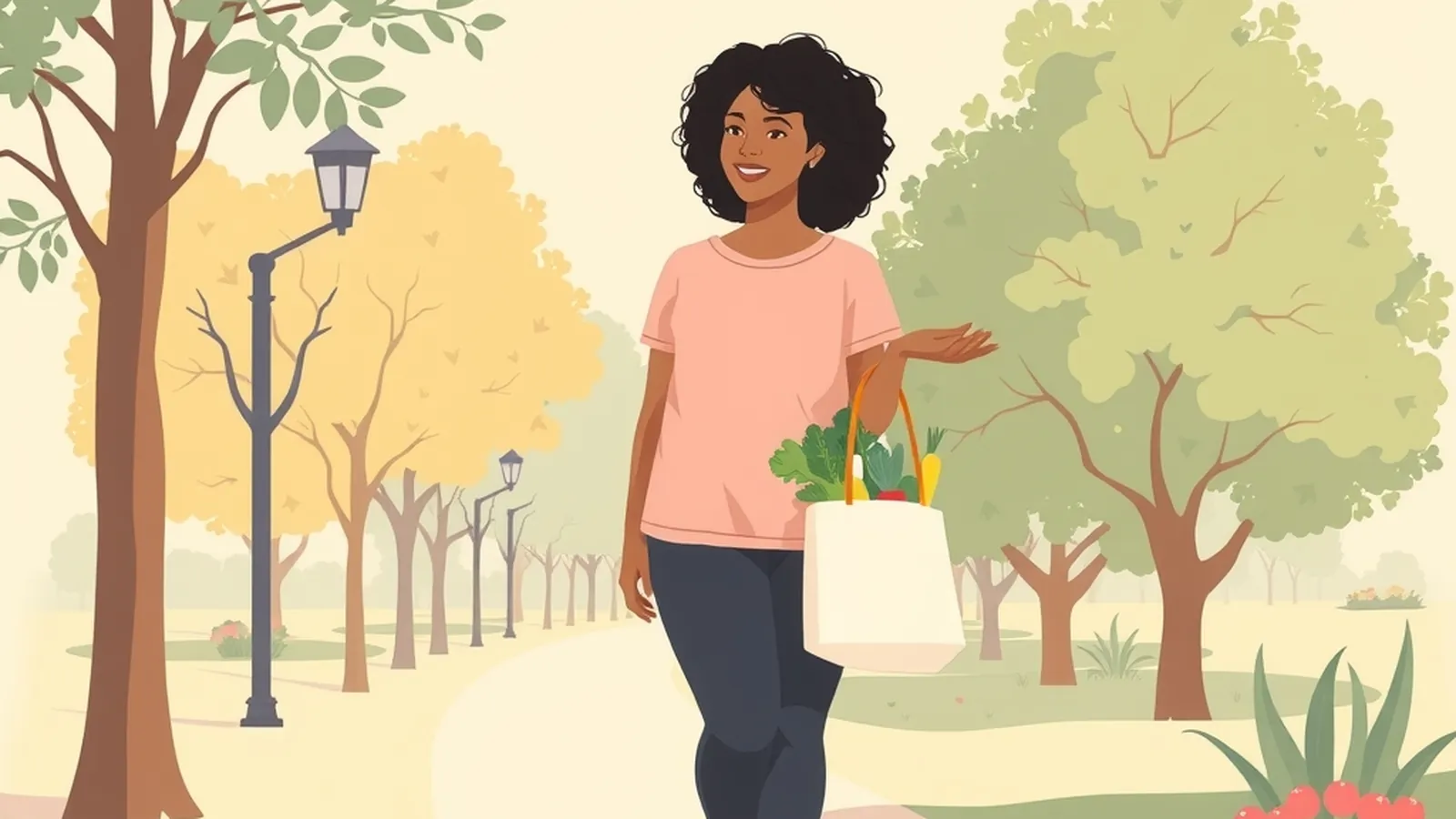
Healthy weight isn't about chasing a number, following the latest diet or changing your body to fit someone else's idea of normal. It's about building everyday habits you can keep, understanding what common advice and measurements really mean, and making decisions with your doctor rather than an ad. The guides in this section are calm, practical and weight-neutral. They work whether you want to change your weight, keep it steady, or simply feel better in the body you have.
We won't promise fast results, give you a target weight or hand you a meal plan. What we can do is explain the basics plainly, point out the marketing tricks, and give you small, doable steps to try this week.
 Safe Weight Loss BasicsWhy slow and steady tends to last, and how to build a plan around habits instead of a diet.
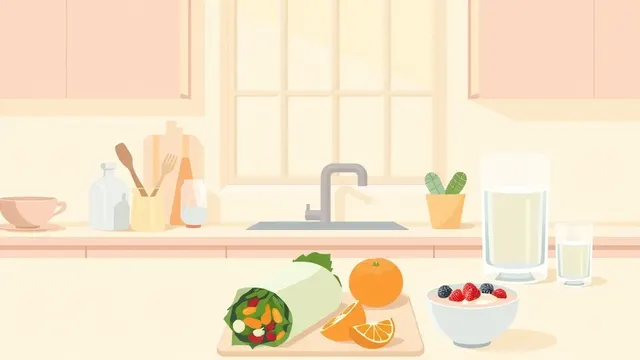 Calories ExplainedCalories are a measure of food energy. Here's how energy balance works, and why counting isn't for everyone.
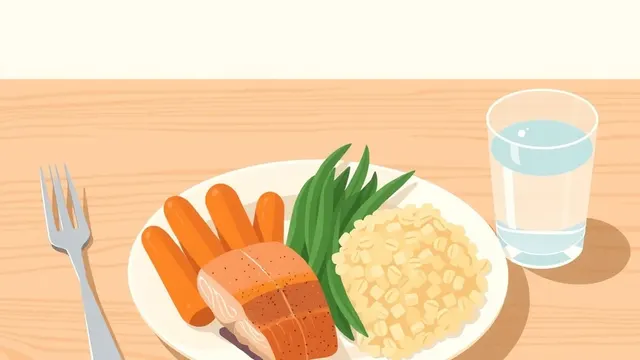 Portion SizesUse your plate and hand as rough guides, read serving sizes, and slow down enough to notice fullness.
 Fad Diet Red FlagsQuick-fix promises, banned food groups and miracle products: a checklist for spotting fad diets.
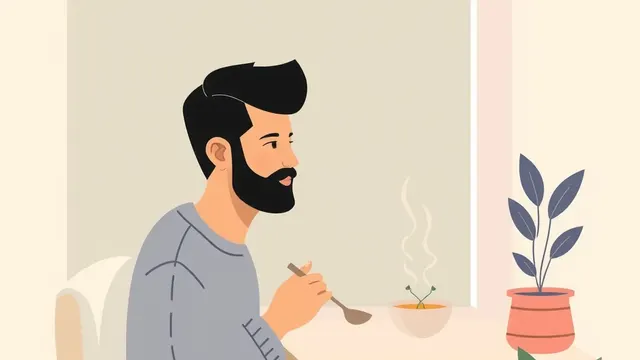 Mindful EatingNotice hunger and fullness, eat with fewer distractions, and try a five-step practice at your next meal.
 Emotional EatingNotice your triggers, pause before eating, build other ways to cope, and know where to find support.
 Weight Loss PlateauWhy progress often stalls, what habits to review, and when a plateau is worth a doctor check-in.
 Maintaining Your WeightKeep the habits that worked, check in lightly, and stay flexible when life gets busy.
 BMI ExplainedBMI is a quick screening tool, not a verdict on your health. Here's what it shows and what it misses.
 Weight Loss SupplementsHow weight loss supplements are regulated, the marketing red flags, the risks, and what to ask your doctor.
Where to start
If you're new to this section, here's a sensible reading order:
- Start with the basics. Our guide on how to lose weight safely explains why gradual change tends to last and why habits beat diets. Calories explained covers energy balance without asking you to count anything.
- Learn the everyday skills. Portion sizes and mindful eating show simple ways to eat amounts that feel right, using your plate, your hand and your own hunger cues.
- Spot the noise. Fad diet red flags and our honest look at weight loss supplements help you skip plans and products that overpromise.
- Handle the hard parts. Emotional eating, a weight loss plateau and how to maintain your weight cover what happens when real life gets in the way.
- Put numbers in context. BMI explained shows why BMI is a screening tool, not a verdict on your health.
Our approach to weight
These principles guide every page in this section:
| We focus on | We avoid |
|---|---|
| Habits you can keep for years | Crash diets and rapid-loss promises |
| Kindness and curiosity | Shame, guilt and before-and-after framing |
| Foods as part of a pattern | Calling foods "good," "bad," "clean" or "dirty" |
| Your doctor's guidance | One-size-fits-all targets |
| How you feel and function | Treating a number as the whole story |
Bodies come in many shapes and sizes, and weight is only one part of health. Sleep, stress, movement, genes, medications, money and access to care all matter too.
Habits that help at any size
Healthy weight overlaps with almost every other part of wellness. For everyday eating, our healthy eating basics guide covers simple meals built from vegetables, fruits, whole grains, protein and water. For movement, exercise for beginners shows how to start slowly and safely. Rest matters too: our guide to how much sleep you need explains why short sleep can make everything else harder. And because stress often drives eating, our stress management basics offer a simple toolkit.
Talk with your doctor first
Before you start any weight-loss plan, talk with your doctor. They know your health history, your medications and any conditions that may affect weight or make certain plans unsafe. Your doctor can help you decide whether weight change is a helpful goal at all, and may suggest a registered dietitian for more personal support. Never stop or change a prescribed medication on your own because of weight.
This is especially important if you're pregnant or nursing, managing a chronic condition, or older, and for anyone thinking about weight goals for a child or teen.
Food, feelings and getting support
For many people, food and weight carry a lot of emotion. If you notice intense guilt after eating, rigid food rules, bingeing, restricting, or thoughts about your body that take up much of your day, please reach out to a doctor or licensed therapist. Those patterns deserve real care, and help is available. Our guide to emotional eating explains where to start, and our page on when to get help covers finding a professional.
Paid programs and free help
Diet apps, coaching programs and meal-plan services are everywhere. Some offer helpful structure; others are fads with a subscription attached. Our Choosing Programs section explains how to judge a paid program, which red flags to watch for, and where to find free, reliable health information before you spend anything.
A note on this section
These guides are general education, not medical advice, and they can't replace care from your own doctor. Please read our medical disclaimer for more on how to use this site.
Something to try this week
Pick one small habit from this section, such as filling half your plate with vegetables at dinner, eating one meal without a screen, or taking a short walk after lunch. Try it for a week, notice how you feel, and keep it only if it fits your life.
Want a structured wellness program?
Some people like the structure of a paid program. This button opens a third-party health or wellness program from one of our advertising partners. Its claims are its own, not ours, and haven't been evaluated by us or the FDA. Talk to your doctor before starting any program, diet or supplement, and weigh any offer against our health red flags checklist.
See the partner program →We may be paid when you click. The program shown can change. Read its terms before you buy anything. How this works
Frequently asked questions
Where should I start if I want to change my weight?
Start by talking with your doctor, who can help you decide whether weight change is a helpful goal for you. Then read our guide on how to lose weight safely, which focuses on gradual habits rather than strict diets.
Do I need to lose weight to be healthier?
Not necessarily. Health depends on many things, including sleep, movement, stress, eating patterns, genes and medical care. Healthy habits are worth building at any size, and your doctor can help you decide what matters most for you.