Nutrition
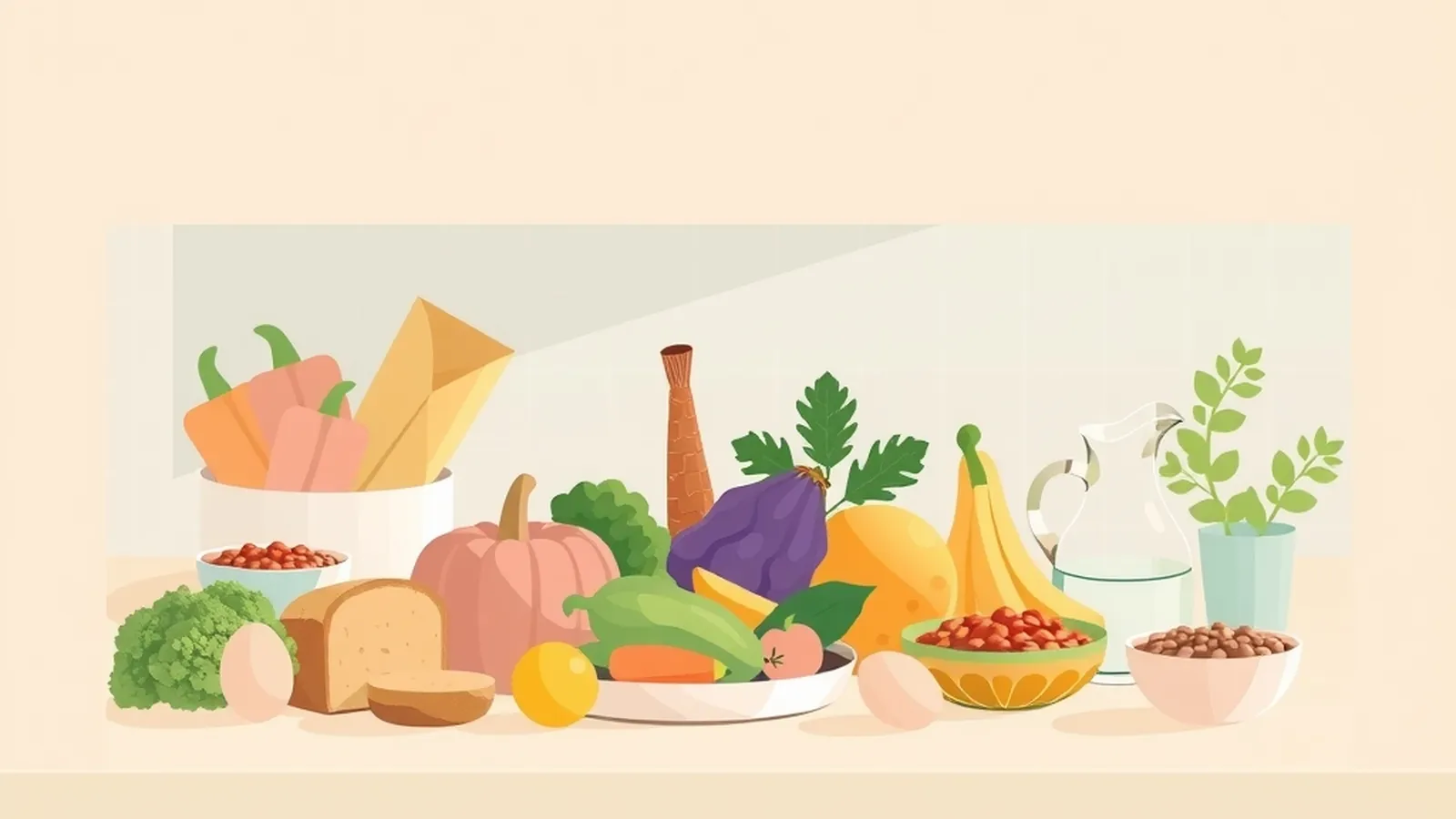
Everyday nutrition doesn't have to be complicated or strict. For most people, it comes down to a handful of habits: building meals from a variety of vegetables, fruits, whole grains and protein foods, drinking water, reading labels when it helps, and cooking a little more often. You don't need special products, banned-food lists or a perfect week.
The guides below are practical and calm. Each one answers a common question, gives you a simple example, and ends with one small thing to try today. We never sort foods into "good" and "bad," and we don't promise results. Because everyone's needs are different, we'll point you to your doctor or a registered dietitian for personal advice, and our medical disclaimer explains what these pages can and can't do.
 Healthy Eating BasicsThe building blocks of everyday healthy eating, a sample day, and one small change to start with.
 Nutrition LabelsServing sizes, the 5% and 20% Daily Value guide, and a quick way to compare two products.
 Meal Prep BasicsPlan a few meals, batch cook once, store food safely and make weeknights easier.
 Breakfast IdeasQuick, filling breakfasts built on protein and fiber, including make-ahead and grab-and-go options.
 Healthy SnacksSnack pairings that tide you over, portable ideas for busy days, and how to plan ahead.
 Drink More WaterEasy habits, flavor ideas and thirst cues to help you drink more water, since needs vary.
 Added SugarWhat the added sugars Daily Value means, where sugar hides, and gentle swaps that last.
 SodiumThe sodium Daily Value explained, where salt hides, and flavor swaps that keep food tasty.
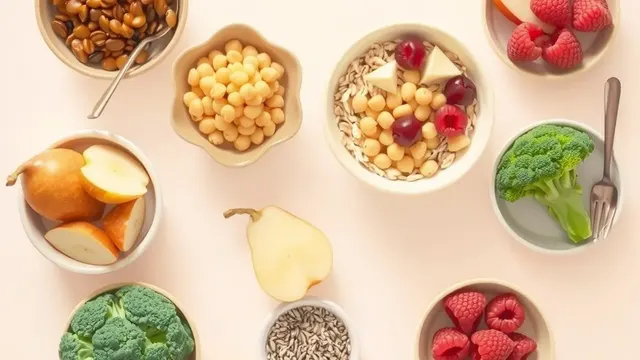 FiberWhere fiber comes from, easy ways to eat more, and why going slowly with water helps.
 Protein BasicsWhat protein does, everyday food sources, and why the right amount depends on you.
 Eating Out HealthierMenu tips, portion ideas and smart sides so you can enjoy eating out without overthinking it.
 Cook at HomePantry staples, simple methods and a five-dinner plan for easy, affordable home cooking.
Where to start
If you're new to thinking about food, here's a sensible reading order:
- Learn the basics. Our guide to healthy eating basics explains the building blocks of a balanced pattern, with a sample day.
- Learn to read a label. The nutrition labels guide explains serving sizes and the FDA's quick rule for telling whether a food is low or high in a nutrient.
- Make weeknights easier. Meal prep basics and cooking at home show how a little planning and a few simple methods save time and money.
- Pick one area to improve. Breakfasts, snacks, water, fiber or protein, whichever feels easiest for you right now.
Choose your next step
Not sure which guide fits? This table matches common goals to a starting point.
| If you want to... | Start here |
|---|---|
| Feel fuller between meals | Healthy snacks or protein basics |
| Fix rushed mornings | Healthy breakfast ideas |
| Drink fewer sweet drinks | Added sugar and drink more water |
| Eat less salt | Sodium |
| Add more plants | Fiber |
| Enjoy restaurants without stress | Eating out healthier |
What we mean by "healthy eating"
The Dietary Guidelines for Americans, published by the USDA and HHS and updated every five years, focus on overall eating patterns rather than single foods or nutrients. That's the spirit of this section too. A pattern is what you eat most of the time. Holidays, birthday cake, takeout on a busy night and your family's traditional dishes all belong in a real life, and a healthy one.
Food is also personal. Culture, budget, cooking skills, time, health conditions and what's available near you all shape what works. The best way of eating is one that fits your life and that you can keep up with.
Our approach to food and bodies
We talk about food in a weight-neutral, judgment-free way. You won't find calorie targets, "clean eating" rules or before-and-after stories here. If you want to explore weight in a calm, realistic way, our Healthy Weight section covers it without fads. If thoughts about food or your body ever feel overwhelming, a doctor or licensed therapist can help, and you deserve that support.
Food, sleep and movement work together
Eating well is easier when the rest of your life supports it. Being short on sleep can make food decisions harder for many people, and our guide to how much sleep you need explains the basics. If you're adding movement too, our Movement section covers starting slowly at any fitness level. And if you're just beginning, our guide to healthy habits for beginners helps you choose one small habit at a time.
A note on supplements and diet programs
Food comes first. Supplements aren't a shortcut, and they aren't approved by the FDA for safety or effectiveness before they're sold, as our guide to supplement basics explains. The wider Supplements section covers how to judge them, and you should always talk to your doctor or pharmacist before starting one.
Paid meal plans, diet programs and coaching apps are everywhere. Some people find structure helpful, but you don't need to pay to eat well. Our Choosing Programs section explains how to spot warning signs and where to find free, reliable information.
Something to try today
Pick one meal you'll eat today. Add one vegetable or fruit to it, and drink a glass of water alongside it. That's it. Small, repeatable steps like this are what most of the guides in this section are built on.
Want a structured wellness program?
Some people like the structure of a paid program. This button opens a third-party health or wellness program from one of our advertising partners. Its claims are its own, not ours, and haven't been evaluated by us or the FDA. Talk to your doctor before starting any program, diet or supplement, and weigh any offer against our health red flags checklist.
See the partner program →We may be paid when you click. The program shown can change. Read its terms before you buy anything. How this works
Frequently asked questions
Do I need to follow a specific diet to eat healthy?
No. Most reputable advice focuses on your overall eating pattern rather than a named diet. Building meals around vegetables, fruits, whole grains, protein foods and water, in a way you enjoy, is a solid general starting point.
When should I see a registered dietitian?
Consider it if you have a health condition, take medications affected by food, are pregnant, have food allergies or simply want personal guidance. Your doctor can often refer you, and some insurance plans cover visits.