Small Lifestyle Changes That Add Up
Small lifestyle changes are short, simple swaps you can fit into an ordinary day, like drinking a glass of water with breakfast, walking for ten minutes after lunch or dimming the lights an hour before bed. They take ten minutes or less, cost little or nothing, and are easier to keep up than a big overhaul. Pick one or two from the list below and try them this week.
Small changes are at the heart of our Wellness Basics section. They're not dramatic, and that's the point: they fit into real life.
Why small works
Big changes rely on motivation, and motivation comes and goes. Small changes rely on repetition. They're easy enough to do on a hard day, so they're more likely to stick. Once a small change becomes automatic, it frees up energy for the next one. Over weeks and months, a handful of small changes can reshape how your days feel.
Ten-minute swaps from morning to night
Morning
| Instead of | Try |
|---|---|
| Checking messages first thing | Open the blinds and get a few minutes of daylight |
| Rushing out with nothing to eat | A quick breakfast, like yogurt with fruit or peanut butter toast |
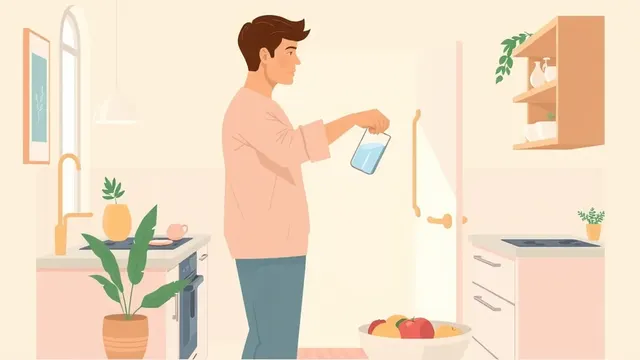
| Coffee before anything else | A glass of water first, then your coffee |
| Starting work hunched over | Sit back, set your feet flat, and roll your shoulders a few times |
Midday
| Instead of | Try |
|---|---|
| Eating lunch at your desk | Eat somewhere else, even a different chair, for ten minutes |
| Sitting through every break | Walk for five to ten minutes, inside or out |
| Staring at a screen all day | Look at something far away for a few seconds every so often |
| A long afternoon slump | Stand up, stretch and refill your water |
Evening
| Instead of | Try |
|---|---|
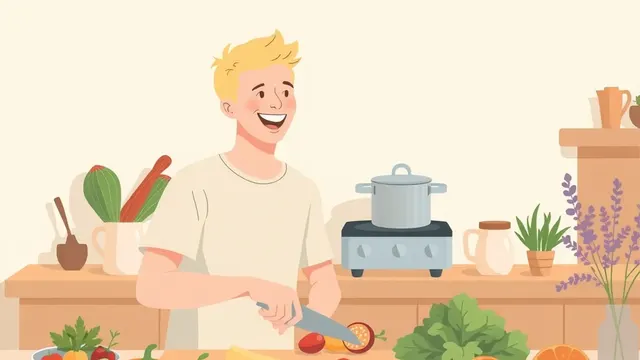
| Takeout every night | A simple home meal once or twice a week |
| Eating in front of a show | Eat at the table and notice the taste and texture |
| Scrolling until bedtime | A device curfew, with your phone charging outside the bedroom |
| Going to bed at a different time each night | A regular "start winding down" time |
Anytime
- Take five slow breaths when you feel tense.
- Send a quick message to someone you care about.
- Step outside for a few minutes of fresh air.
- Do a few gentle stretches while the kettle heats.
- Add a vegetable or fruit to whatever you're already eating.
Weekends
Weekends often have a different rhythm, which can be a chance to try something new without the pressure of a workday.
| Instead of | Try |
|---|---|
| Sleeping in until noon | Keep your wake-up time within an hour or so of weekdays |
| Spending the whole day indoors | A walk in a park, a bike ride or time in the yard |
| Skipping groceries until Monday | A quick plan for a few easy meals in the week ahead |
| Catching up on chores alone | Invite a friend along for errands or a walk |
Small changes you can share
Changes are often easier with company. Ask a friend or family member to try a swap with you, like a weekly walk-and-talk instead of meeting for coffee, or a shared night of cooking at home. You get the habit and the connection at the same time, and you're more likely to show up when someone is expecting you.
If you live with others, small changes can be household changes too: a bowl of fruit on the counter, a family "screens off" time before bed, or water on the table at dinner. Keep it light and inviting rather than turning it into rules for everyone else.
Small changes at your desk
If you work at a desk, small adjustments to how you sit and move can make the day more comfortable. Raise your screen so the top is around eye level, keep your feet supported, and change positions often. Our guide to posture at work covers desk and chair setup in more detail. If you have ongoing pain, see your doctor.
How to make a small change stick
- Pick one. Choose the swap that feels easiest or most appealing.
- Attach it to something. Link it to an existing habit, like "after I pour my coffee."
- Make it obvious. Put your water glass by the coffee maker or your walking shoes by the door.
- Celebrate quietly. A mental "nice job" after doing it helps it feel rewarding.
- Add the next one later. Once the first feels normal, choose another.
Our guide on how to build a healthy routine explains this habit-stacking approach and includes a sample week.
Example: three small swaps
Example: Robin felt sluggish most afternoons and wasn't sure why. Rather than overhaul everything, they tried three small swaps over a month. First, a glass of water with breakfast. A week later, a ten-minute walk after lunch. Then, phone charging in the kitchen at night. They noticed they felt a bit more alert in the afternoons and fell asleep a little more easily. They kept all three and are now thinking about adding a home-cooked dinner once a week.
Small changes that aren't worth it
Not every "small change" you hear about is helpful. Some are based on myths, like special drinks that claim to speed up your metabolism. Others cost money and add little. Our guide to wellness myths explains which popular ideas don't hold up, so you can put your energy into the swaps more likely to help.
When small changes aren't enough
Small changes are a great foundation, but they don't replace medical care. If you're dealing with ongoing fatigue, pain, trouble sleeping, low mood or other concerns, talk to your doctor. They can look for causes that a habit change won't fix. If you're in a mental health crisis in the US, call or text 988 to reach the Suicide & Crisis Lifeline.
If you're new to all this and want a bigger-picture place to start, our guide to healthy habits for beginners explains the five everyday areas and how to pick one.
Something to try today
Choose one swap from the tables above for the part of the day you have the most control over. Set up whatever makes it easy, like filling a water glass tonight or putting your shoes by the door. Then do it tomorrow and notice how it feels.
Want a structured wellness program?
Some people like the structure of a paid program. This button opens a third-party health or wellness program from one of our advertising partners. Its claims are its own, not ours, and haven't been evaluated by us or the FDA. Talk to your doctor before starting any program, diet or supplement, and weigh any offer against our health red flags checklist.
See the partner program →We may be paid when you click. The program shown can change. Read its terms before you buy anything. How this works
Frequently asked questions
Do small changes really make a difference?
Small changes are easier to keep doing, and habits you keep tend to matter more than big changes you drop. Many people find that one small change makes the next one easier.
How do I choose which small change to start with?
Pick the change that fits most easily into a part of your day you already control, like your morning or your lunch break. If you're unsure, start with the one that sounds most enjoyable.
Can small changes replace medical care?
No. Everyday habits are general wellness, not treatment. If you have a health condition or concerns, talk to your doctor about what's right for you.