How to Reduce Eye Strain From Screens
To reduce eye strain from screens, take regular breaks using the 20-20-20 rule, set up your screen so it sits a comfortable distance away and slightly below eye level, cut down on glare, and remember to blink. If your eyes still feel tired, dry or sore, or your vision seems different, see an eye doctor. Screen-related eye discomfort is common, and small changes help many people feel more comfortable.
Eye care is one of the everyday habits in our Everyday Health section, where we focus on the simple routines that look after your eyes, ears, skin and teeth.
What eye strain feels like
After a long stretch of reading, scrolling or working on a screen, many people notice:
- Tired, heavy or achy eyes
- Dry, itchy or watery eyes
- Blurry vision that comes and goes
- Trouble refocusing when looking up from the screen
- Headaches, or a tight neck and shoulders
These feelings often ease with rest. They're a signal to change something about how you're working, not a reason to panic. Still, they can overlap with other eye problems, so ongoing or unusual symptoms are worth checking with an eye doctor.
The 20-20-20 rule
The American Academy of Ophthalmology suggests the 20-20-20 rule: every 20 minutes, look at something about 20 feet away for about 20 seconds.
The idea is simple. When you look at something close, like a screen, your eyes work to keep it in focus. Looking at something far away gives them a short break from that effort. It's easy to remember, costs nothing and fits into almost any job.
How to actually make it stick
The hardest part of the rule is remembering it. Some ideas:
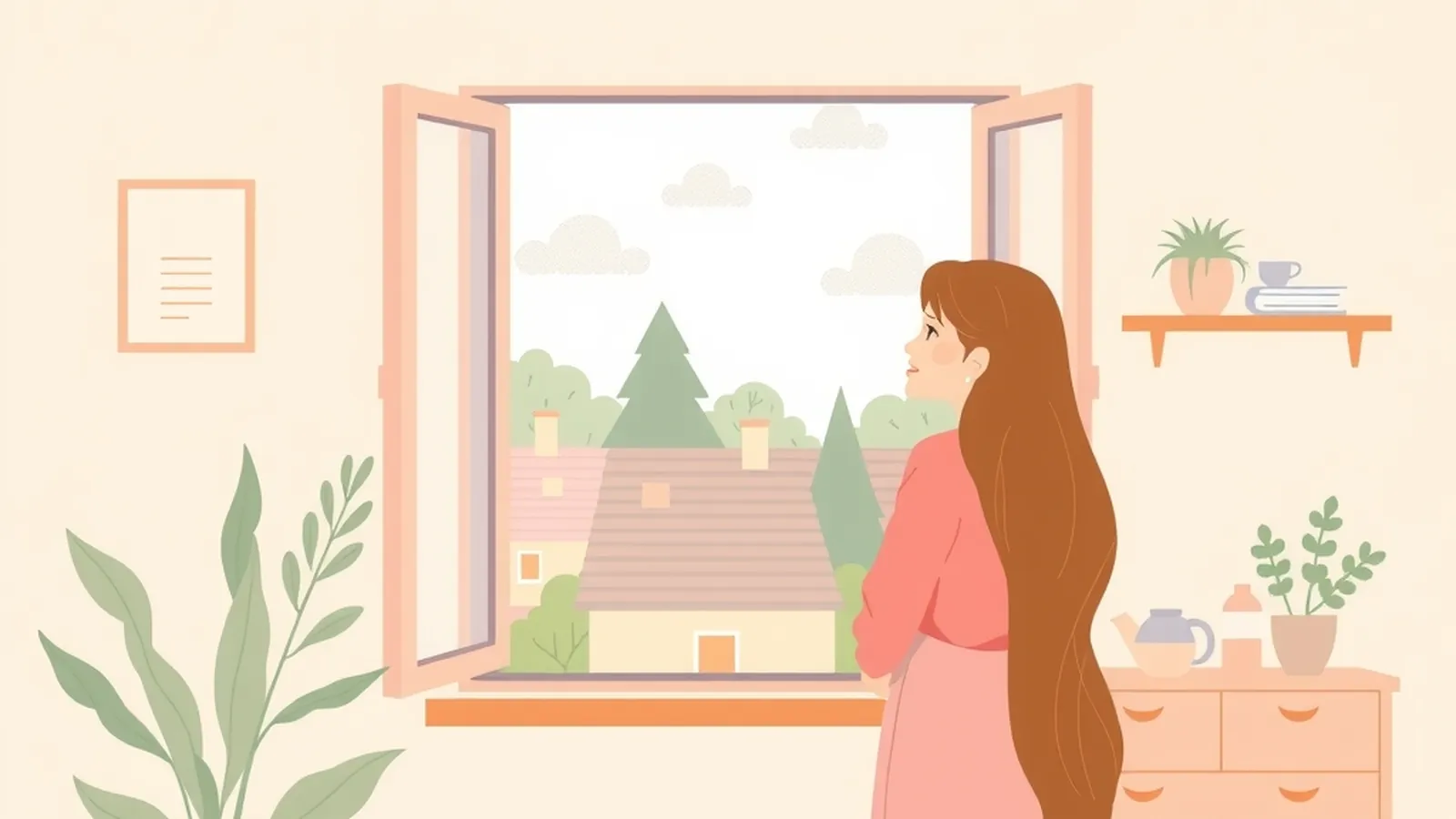
- Pick a far-away target. Choose a spot about 20 feet away, like a doorway down the hall, a tree outside a window or a picture on the far wall. If your space is small, look out a window or across the longest part of the room.
- Pair it with an existing habit. Look away each time you send a message, finish a task or take a sip of water.
- Use a gentle reminder. A simple recurring timer can help at first, until the habit sets in.
- Don't stress about precision. "About 20 feet" and "about 20 seconds" are guides. Any regular break is better than none.
Set up your screen
Your screen setup affects both your eyes and your posture. Try these adjustments:
| Adjustment | What to aim for |
|---|---|
| Distance | Roughly an arm's length away |
| Height | Top of the screen at or slightly below eye level |
| Text size | Large enough that you don't lean in or squint |
| Brightness | Similar to the room around you, not much brighter or dimmer |
| Contrast | Dark text on a light background is easy for many people |
If you lean forward to read, your neck and shoulders feel it too. Our guide to posture at your desk walks through chair and screen height step by step.
Tame glare and lighting
Glare makes your eyes work harder. To reduce it:
- Place your screen so windows are to the side rather than directly in front of or behind it.
- Close blinds or curtains partway on bright days.
- Use softer overhead lighting and a desk lamp aimed at your papers, not your screen.
- Wipe dust and smudges off your screen.
Blink, and help dry eyes
Many people blink less when concentrating on a screen, which can leave eyes feeling dry. Try a few slow, full blinks during each 20-20-20 break. Dry indoor air from heating or air conditioning can add to the problem, and so can a fan or vent blowing toward your face. Moving away from the airflow is an easy first step.
If dryness continues, talk to an eye doctor or pharmacist before trying eye drops, since different types suit different needs.
Not just screens
Any long stretch of close-up focus can tire your eyes, including reading paper documents, sewing, detailed crafts or long drives. The same habits apply: take regular far-away breaks, use good lighting aimed at your task, and blink fully. If you notice you hold things farther away to read them, mention it at your next eye exam.
Screens after work
Eye strain isn't only a work issue. Long evenings on a phone or tablet add more close-up time. Setting gentle limits on recreational screen time gives your eyes, and often your mind, a rest. Our guide to digital detox tips offers realistic ways to cut back without going off-grid.
Eye exams matter
Uncorrected vision, or an old prescription, can make screen work harder. Regular eye exams let an eye doctor check your vision and eye health and talk about what fits your work. If you wear glasses or contacts, mention how many hours you spend on screens; some people do better with a prescription chosen for computer distance. Only an eye doctor can tell you what's right for you.
Get prompt care for sudden vision changes, eye pain, flashes of light, a curtain over your vision, or a red, painful eye. For a sudden, serious problem, call 911 or go to an emergency room.
A worked example
Example: Sam works a full day on a laptop and scrolls on their phone most evenings. By late afternoon their eyes burn and they squint at small text. They try three changes: increasing text size, turning the desk so the window is to the side, and looking out the window each time they send an email. After a few days, the afternoon burning is less noticeable. They also book an eye exam, since it's been several years.
Your senses, all together
Your eyes are just one part of everyday sensory care. If you spend your workday in headphones, the guide to protecting your hearing covers volume habits that pair well with screen breaks. And because eyes need care outdoors too, our guide to sun protection includes sunglasses and hats alongside sunscreen.
This article is general information, not medical advice. For anything specific to your eyes, ask an eye doctor.
Something to try today
Pick your 20-foot target right now: a door, a window or the far corner of the room. For the rest of today, look at it each time you finish a task, and add three slow blinks while you're there.
Want a structured wellness program?
Some people like the structure of a paid program. This button opens a third-party health or wellness program from one of our advertising partners. Its claims are its own, not ours, and haven't been evaluated by us or the FDA. Talk to your doctor before starting any program, diet or supplement, and weigh any offer against our health red flags checklist.
See the partner program →We may be paid when you click. The program shown can change. Read its terms before you buy anything. How this works
Frequently asked questions
What is the 20-20-20 rule?
The American Academy of Ophthalmology suggests that every 20 minutes, you look at something about 20 feet away for about 20 seconds. It gives your eyes a regular break from close-up focus.
Do blue light glasses help with eye strain?
People have different experiences, and it's best not to rely on any one product. Breaks, lighting, screen position and blinking are simple places to start. If you have ongoing symptoms, ask an eye doctor what makes sense for you.
When should I see an eye doctor about eye strain?
Make an appointment if discomfort keeps coming back, your vision seems blurry or changes, you get frequent headaches, or you just haven't had an eye exam in a while. Sudden vision changes or eye pain need prompt care.