How to Protect Your Hearing
To protect your hearing, limit how long and how often you're around loud sounds, wear earplugs or earmuffs when noise is unavoidable, keep headphone volume moderate, and give your ears quiet time to rest. The CDC says long or repeated exposure to sounds at or above 85 A-weighted decibels (dBA) can cause hearing loss, so loud workplaces, concerts, power tools and turned-up headphones are worth taking seriously. If you notice changes in your hearing, see a doctor.
Hearing is easy to forget about until something feels off, which is why it's part of our Everyday Health section, where simple daily habits help look after your senses over time.
What 85 dBA means
Sound is measured in decibels. "A-weighted" decibels, written as dBA, adjust the measurement to reflect how human ears hear different pitches. The CDC says that long or repeated exposure to sounds at or above 85 dBA can cause hearing loss.
Two things matter together:
- How loud the sound is. Louder sounds carry more risk.
- How long and how often you hear it. A brief loud moment differs from hours of loud noise every day.
Noise-related hearing loss often builds slowly and usually doesn't hurt, so many people don't notice it until it has already happened. That's why prevention habits are worth starting early.
How to tell if it's too loud
You don't need special equipment for a rough everyday check. Noise may be loud enough to protect your ears if:
- You have to raise your voice to talk with someone an arm's length away.
- Your ears ring or feel "full" after you leave.
- Sounds seem muffled for a while afterward.
- Someone next to you can hear the music from your headphones.
Some sound level meter apps can give a general estimate, but treat their readings as approximate. When in doubt, protect your ears.
Everyday sources of loud noise
| Setting | Common examples | Easy habit |
|---|---|---|
| Home and yard | Lawn mowers, leaf blowers, power tools, blenders | Wear earplugs or earmuffs for yard work and tools |
| Entertainment | Concerts, clubs, sports arenas, movie theaters | Bring earplugs; take quiet breaks outside |
| Headphones | Music, podcasts, games, calls | Keep volume moderate; take listening breaks |
| Commuting | Trains, subways, busy streets | Avoid turning headphones up to drown out noise |
| Work | Factories, construction, kitchens, events | Follow workplace hearing protection rules |
Choosing hearing protection
You have a few basic types to choose from. The best one is the one you'll actually wear.
- Foam earplugs. Inexpensive and widely available. Roll them into a thin cylinder, pull your ear gently up and back, insert, and hold for a moment while they expand.
- Reusable earplugs. Often flanged silicone or rubber. Some are designed to lower volume more evenly, which many musicians and concertgoers prefer.
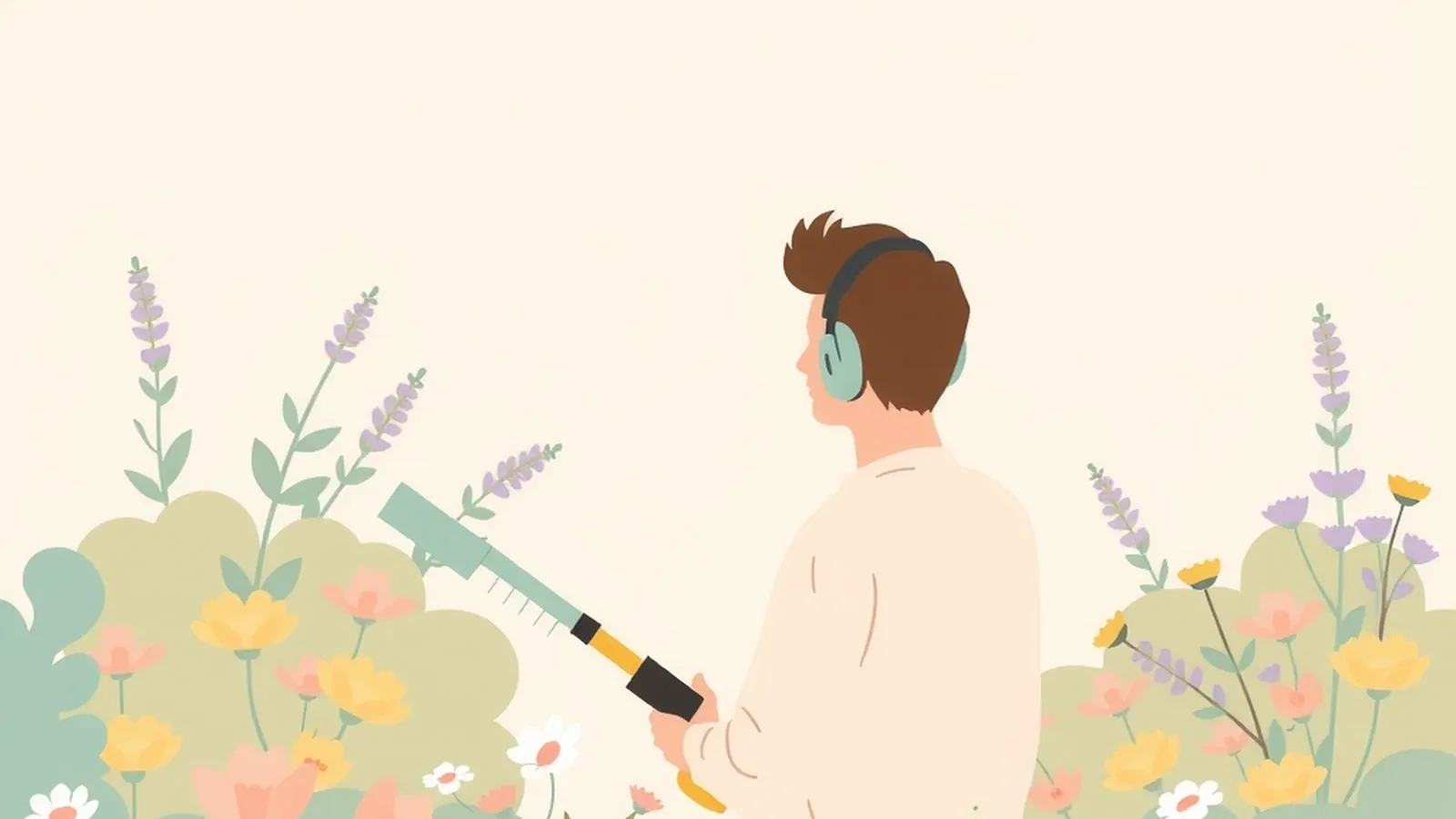
- Earmuffs. Easy to put on and take off, which makes them handy for short, noisy tasks like mowing.
- Custom-fit options. A hearing professional can make earplugs molded to your ears.
Fit matters. Earplugs that sit loosely in the ear protect much less. If you're unsure, ask a pharmacist or hearing professional to show you how to insert them.
Headphone habits
Headphones are one of the most common everyday sources of loud sound because they go wherever you go. Try these habits:
- Set volume in a quiet room, then avoid turning it up later.
- Take regular listening breaks, especially after long sessions.
- Use your device's volume limit or hearing health settings, if it has them.
- In loud places, choose headphones that reduce outside noise so you don't have to compete with it.
Noise at work
If your job puts you around loud machinery, tools, music or crowds, ask your employer about its hearing protection rules and what equipment is provided. Wear protection for the whole time you're in the noise, not just the loudest moments, since taking it off for a while reduces how much it helps. If you aren't sure whether your workplace is loud enough to need protection, ask your supervisor or safety contact, and bring up any concerns with your doctor.
Noise at work and noise at home add up together. If your workday is loud, giving your ears quieter evenings and weekends makes sense.
Quiet time and sleep
Your ears benefit from regular quiet stretches. If you use sound to fall asleep, such as a fan or soft background noise, keep it gentle and avoid sleeping with headphones at high volume. Our guide to a better bedroom for sleep covers quiet, dark and comfortable spaces, including ways to manage outside noise at night.
Hearing checks
Hearing changes are often gradual, so you may not notice them yourself. Ask your doctor about a hearing check if you're regularly around loud noise, if family members say you turn up the TV, or if you often ask people to repeat themselves. If cost is a concern, our guide to free and low-cost health resources explains community health centers and other options.
See a doctor promptly for sudden hearing loss, ear pain, ringing in one ear only, dizziness, or fluid from the ear. These need professional care, and this article can't tell you what's going on.
A worked example
Example: Riley cuts the grass every Saturday, goes to two or three concerts a year and wears earbuds on a long train commute. Their ears sometimes ring after shows. They buy a pair of earmuffs to keep by the mower, put foam earplugs in their jacket pocket for concerts, and start setting their earbud volume before boarding the train. They also mention the ringing to their doctor at their next checkup.
Looking after your senses together
Hearing care fits naturally with other small habits. If your workday involves long hours at a screen, our guide to eye strain offers a simple break routine. Outdoor activities that come with noise, like yard work and concerts, also call for sun protection. And since regular checkups help with hearing, the same is true for your mouth; our guide to taking care of your teeth covers daily habits and dentist visits.
This article is general information, not medical advice.
Something to try today
Put a pair of earplugs somewhere you'll use them, like your bag, car or toolbox. Then check your headphone volume: set it in a quiet room at a level where you can still hear someone speaking nearby, and try to keep it there.
Want a structured wellness program?
Some people like the structure of a paid program. This button opens a third-party health or wellness program from one of our advertising partners. Its claims are its own, not ours, and haven't been evaluated by us or the FDA. Talk to your doctor before starting any program, diet or supplement, and weigh any offer against our health red flags checklist.
See the partner program →We may be paid when you click. The program shown can change. Read its terms before you buy anything. How this works
Frequently asked questions
How loud is too loud?
The CDC says long or repeated exposure to sounds at or above 85 A-weighted decibels (dBA) can cause hearing loss. As a rough everyday check, if you have to raise your voice to be heard by someone an arm's length away, the noise may be loud enough to protect your ears.
Are earbuds worse than over-ear headphones?
The type matters less than the volume and how long you listen. Any headphones can be played loudly. Many people find it easier to keep volume lower when outside noise is reduced, so they don't turn it up to compete.
Should I get a hearing test even if I hear fine?
It's reasonable to ask your doctor about a hearing check, especially if you're around loud noise at work or for hobbies. Changes can be gradual and hard to notice yourself. See a doctor promptly for sudden hearing loss.