How to Start Exercising
To start exercising, pick one gentle activity you can do today, such as a short walk, do less than you think you can, and add a little more each week. Mix in some strength work and stretching once the first habit feels steady. If you have a health condition, are pregnant, or haven't been active in a while, check with your doctor before you begin.
That's really the whole plan. The rest of this page is about making it work for you, and it fits with the other guides in our Movement section, which cover every kind of activity at any starting point.
Step 1: Check in with your doctor if you need to
Most healthy adults can start with light activity like walking. Still, it's wise to talk to your doctor first if any of these apply:
- You have a heart, lung, joint, or other ongoing health condition.
- You're pregnant or recently gave birth.
- You take medications and aren't sure how they might affect exercise.
- You've had chest pain, fainting, or dizziness in the past.
- You've been mostly inactive for a long time and plan to do more than easy walking.
Bring a short list of the activities you're thinking about and ask what's safe and what to watch for. Our guide to setting health goals can help you turn that conversation into a small, specific plan you can actually track.
Step 2: Start low and go slow
The most common beginner mistake isn't doing too little. It's doing too much in the first week, feeling wrecked, and quitting. A slower start gives your muscles, joints, and lungs time to adjust.
A few rules of thumb many beginners find helpful:
- Choose an easy effort. You should be able to talk in full sentences most of the time.
- Keep sessions short at first. Five to fifteen minutes is a fine beginning.
- Add one thing at a time. Each week, add a few minutes or one more session or a bit more effort, not all three.
- Leave some in the tank. Finish feeling like you could have done a little more.
Step 3: Mix a few types of movement
You don't need a perfect program. Over time, though, many people feel best with a blend of activities:
| Type | Beginner example | Why it's in the mix |
|---|---|---|
| Aerobic | A brisk walk around the block | Gets your heart and lungs working |
| Strength | Sit-to-stand from a chair | Works the major muscles you use every day |
| Flexibility | A gentle calf stretch against a wall | Helps you move more comfortably |
| Balance | Standing on one foot near a counter | Supports steady, confident movement |
How much you're aiming for over the long run is covered in our guide to the physical activity guidelines, which explains the federal recommendations for adults and why even small amounts count.
Step 4: Learn two simple moves
Here are two beginner-friendly moves, described in words. Go slowly, and stop if anything hurts.
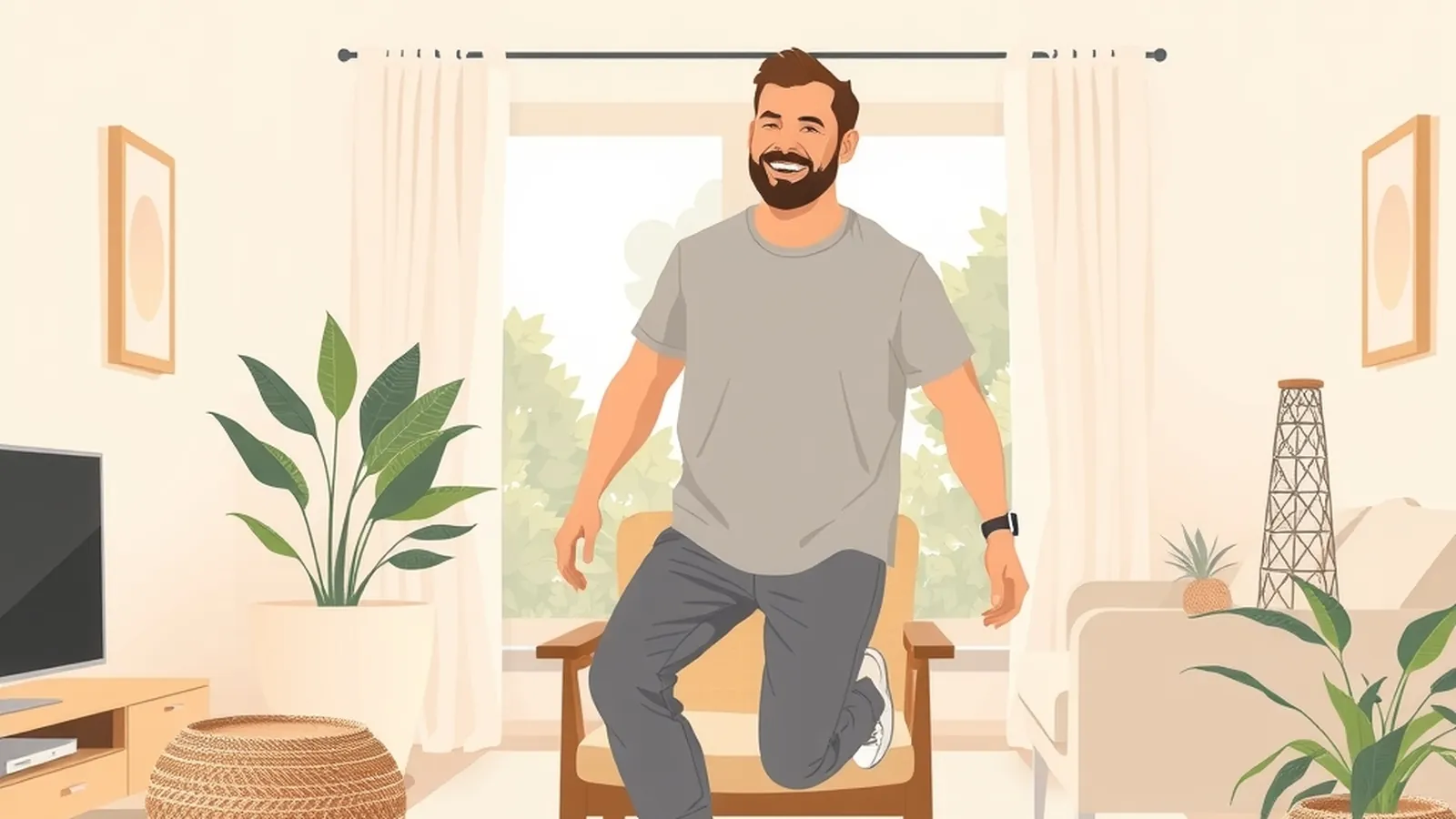
Chair sit-to-stand. Sit near the front of a sturdy chair with your feet flat and about hip-width apart. Lean slightly forward, press through your whole foot, and stand up tall. Then slowly sit back down, reaching your hips back as if the chair were a little farther away than it is. Keep your knees pointing the same direction as your toes. A common starting point is one set of five to eight.
Wall push-up. Stand an arm's length from a wall and place your palms on it at shoulder height. Keep your body in a straight line from head to heels, then bend your elbows to bring your chest toward the wall and press back. Step closer to make it easier. Try one set of five to eight.
Step 5: Schedule it like an appointment
A plan that lives only in your head is easy to skip. Choose specific days and times and put them on your calendar. Tie movement to something you already do, like a walk right after lunch or a few chair sit-to-stands after you brush your teeth.
Example: a first two weeks
Example: Jordan, 34, works from home and hasn't exercised regularly in years. After checking with their doctor about a knee that sometimes aches, they set this plan:
- Week 1: Walk ten minutes on Monday, Wednesday, and Friday. On Tuesday and Thursday, do one set of chair sit-to-stands and wall push-ups.
- Week 2: Walk twelve to fifteen minutes on the same days. Add a two-minute calf and chest stretch after each walk.
Jordan's knee felt fine on the walks, but squatting low bothered it, so they kept the chair as a target and mentioned it at their next doctor visit.
Soreness, pain, and when to stop
Feeling a bit stiff or achy a day or two after a new activity is common, especially in the first few weeks. That kind of soreness usually fades on its own. Pain is a different signal:
- Stop right away and get medical help for chest pain or pressure, dizziness or faintness, or severe shortness of breath. For an emergency, call 911.
- Stop and check with a doctor for sharp or sudden pain, swelling, or pain that gets worse instead of better.
Rest days are part of the plan, not a sign of weakness. Our guide to rest and recovery explains how to tell the difference between normal soreness and a reason to pause.
Picking your first activity
The best first activity is one you'll actually do. Ask yourself:
- What did I enjoy moving-wise as a kid or teenager?
- What can I do close to home, for free?
- Do I prefer being alone or with other people?
- What time of day do I usually have a little energy?
For a lot of people, the answer points to walking. Our guide to walking for fitness covers how to build up, choose shoes, and keep good posture. If you'd rather have structure from a class or app, our guide on how to choose a gym or app walks through trials, contracts, and privacy before you sign anything.
Do you need a paid program?
You don't. Many people get active with nothing more than comfortable shoes and a plan. Some do find a coach, class, or program helpful for accountability. If you're weighing one, our guide on whether health programs are worth it lays out when structure helps and what free options exist first.
Something to try today
Set a timer for ten minutes and walk at an easy, chatty pace. Afterward, do three slow chair sit-to-stands. Write down the date and how you felt. Tomorrow, you'll already have something to build on.
Want a structured wellness program?
Some people like the structure of a paid program. This button opens a third-party health or wellness program from one of our advertising partners. Its claims are its own, not ours, and haven't been evaluated by us or the FDA. Talk to your doctor before starting any program, diet or supplement, and weigh any offer against our health red flags checklist.
See the partner program →We may be paid when you click. The program shown can change. Read its terms before you buy anything. How this works
Frequently asked questions
How many days a week should a beginner exercise?
A common starting point is two or three short sessions a week with rest days in between, plus light everyday movement on other days. Add more as your body adjusts, and ask your doctor if you're unsure what's safe for you.
Is it normal to feel sore after starting to exercise?
Mild muscle soreness a day or two after a new activity is common and usually fades in a few days. Sharp, sudden, or lasting pain is different, so stop and talk to a doctor if you notice it.
What's the best exercise for beginners?
The best exercise is one you can do safely and will keep doing. Walking is a popular first step because it's free and gentle, and many people add simple bodyweight moves and stretching once walking feels comfortable.