Walking for Exercise
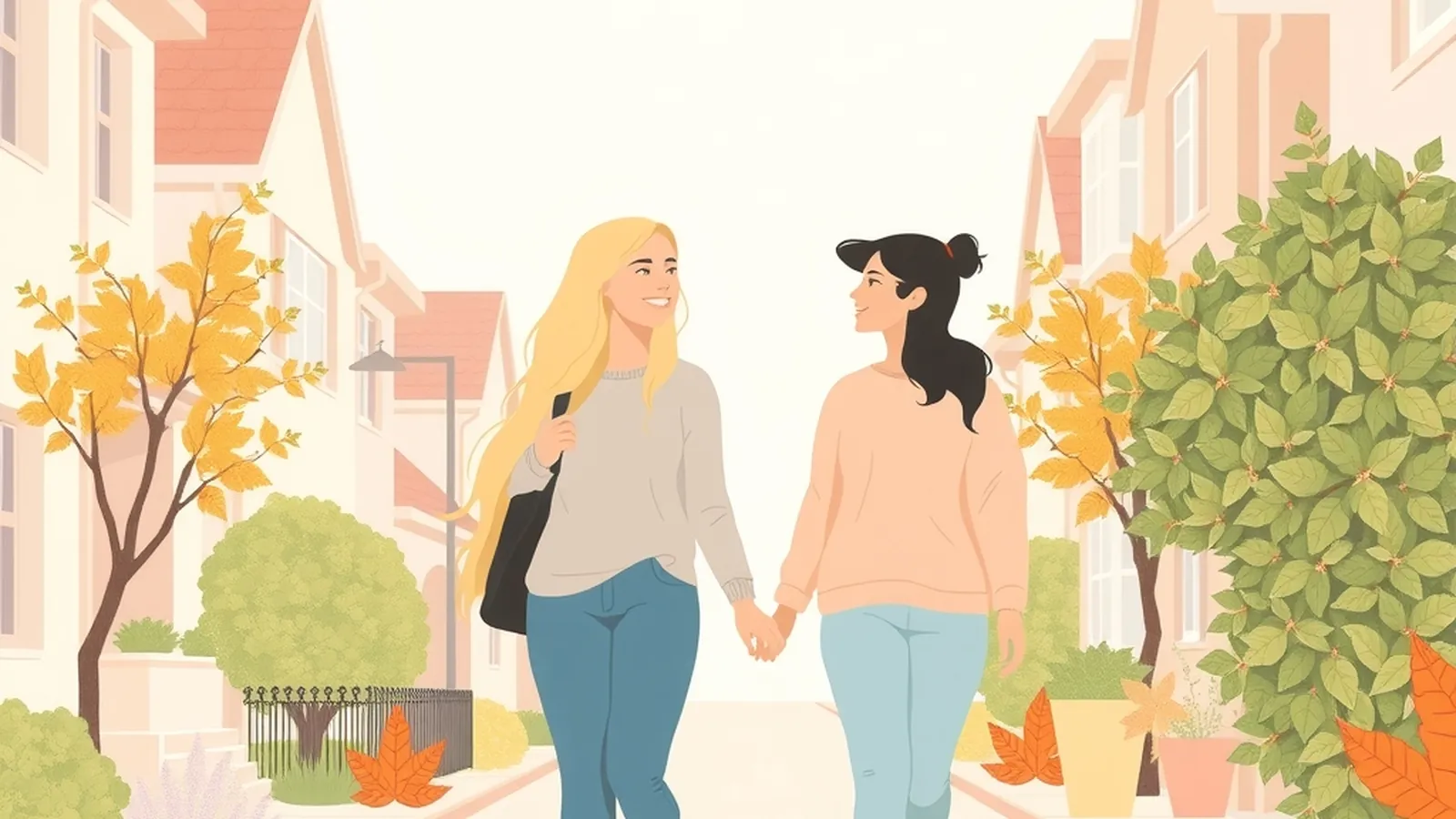
Walking is one of the easiest ways to exercise: it's free, you already know how, and you can do it almost anywhere. To make it a workout, start with short, easy walks, then slowly add minutes and pick up your pace until you're walking briskly, breathing harder but still able to talk. Good shoes, relaxed posture, and a regular time of day help it stick.
If you're brand new to exercise, walking is a natural first step, and it fits right into the other guides in our Movement section.
Why walking works for so many people
Walking is gentle on most bodies, needs no equipment beyond comfortable shoes, and fits into the gaps of a busy day. Regular walking is linked with feeling more energetic and sleeping better for many people. It also gets you outside, which plenty of walkers say is half the appeal.
Brisk walking counts as moderate-intensity aerobic activity, which means it can count toward the weekly minutes in the federal physical activity guidelines. That page explains the full recommendation and how to split it across your week.
Before you start a new walking routine, check with your doctor if you have a health condition, are pregnant, or haven't been active in a while.
How to build up, week by week
Here's a sample four-week starting plan. Treat it as a flexible guide, not a rule. Slow it down if you need to.
| Week | How long | How often | Pace |
|---|---|---|---|
| 1 | 10 minutes | 3 days | Easy, comfortable |
| 2 | 15 minutes | 3 to 4 days | Easy, with a few faster minutes |
| 3 | 20 minutes | 4 days | Mostly brisk |
| 4 | 25 to 30 minutes | 4 to 5 days | Brisk, with an easy start and finish |
If a week feels hard, repeat it. There's no prize for moving on early.
Warm up and cool down
Start each walk with three to five minutes at an easy pace to let your body warm up. Finish with a few slower minutes too. Afterward, you can add a gentle calf stretch: stand facing a wall with your hands on it, step one foot back, keep that heel down and the back knee straight, and lean in until you feel a mild stretch in the calf. Hold for about 20 to 30 seconds, then switch sides.
Shoes and gear
You don't need to spend much. Look for:
- Comfort first. Shoes should feel good from the first step, without pinching or rubbing.
- Room for your toes. You should be able to wiggle them.
- Support and grip. A cushioned sole with some tread helps on pavement and trails.
- Breathable socks. Moisture-wicking socks can help prevent blisters.
Shoe shopping later in the day, when feet tend to be a bit larger, helps some people find a better fit. If you have foot pain, bunions, or a condition that affects your feet, ask your doctor or a podiatrist about footwear.
For outdoor walks, dress in layers, wear something bright or reflective near traffic, and use sunscreen on sunny days. Our guide to sun protection explains what dermatologists suggest.
Walking posture, step by step
Good form makes walking more comfortable. Run through these cues once at the start of your walk, then let them become automatic:
- Head up. Look ahead about 10 to 20 feet rather than down at your feet.
- Shoulders relaxed. Let them drop away from your ears.
- Tall through the middle. Imagine a string gently lifting the top of your head.
- Arms swinging naturally. Bend your elbows slightly and let your arms move with your stride.
- Heel to toe. Land lightly on your heel and roll through to push off from your toes.
- Natural stride. To go faster, take quicker steps rather than much longer ones.
Ways to pick up the pace
Once a steady brisk walk feels comfortable, you can add variety:
- Speed intervals. Walk faster for one minute, then easy for two. Repeat a few times.
- Hills. Include a gentle incline or a few flights of stairs.
- Distance. Add five minutes to one walk each week.
Change one thing at a time, and stay at a level where you can still talk.
Making walking a habit
The walks that happen are the ones that have a time and a place. A few ideas:
- Anchor it. Walk right after a meal, after you drop someone off, or at the start of your lunch break.
- Plan a route. A loop of a known length makes it easy to start without thinking.
- Have a rainy-day backup. Walk laps in a mall, a big store, or around your home.
- Walk with someone. A regular walking partner makes it harder to skip. Walking together is also an easy way to stay connected, which our guide to social connection explores in more depth.
Example: the lunch-break walker
Example: Riley, 29, has a desk job and an hour for lunch. They started by walking ten minutes before eating, three days a week. By the fourth week they were walking 25 minutes on four days, usually with a coworker. On the days they skipped, it was usually because of a meeting, so they started blocking the time on their calendar.
Safety notes
- Walk in well-lit, familiar areas, and let someone know your route if you walk alone.
- Carry water on warm days and take breaks in the shade.
- Chest pain, dizziness or severe shortness of breath means stop now and get medical help right away. Call 911 in an emergency.
- Mild leg soreness early on is common. Sharp or lasting pain in your feet, knees, or hips is a reason to rest and talk to your doctor.
What comes next
Walking is a strong foundation. Many walkers find that adding simple strength exercises a couple of days a week helps them feel steadier and stronger; our guide to strength training basics shows you how. On days when the weather won't cooperate, our home workouts guide has a no-equipment circuit you can do indoors.
You'll also see paid walking challenges and step programs advertised. Some are fun, but you don't need one. Our guide to free resources points to reliable, no-cost information if you want more structure.
Something to try today
Walk out your front door for five minutes in one direction, then turn around and walk back. Notice your posture on the way home: head up, shoulders down, arms swinging. That ten-minute loop is your first route.
Want a structured wellness program?
Some people like the structure of a paid program. This button opens a third-party health or wellness program from one of our advertising partners. Its claims are its own, not ours, and haven't been evaluated by us or the FDA. Talk to your doctor before starting any program, diet or supplement, and weigh any offer against our health red flags checklist.
See the partner program →We may be paid when you click. The program shown can change. Read its terms before you buy anything. How this works
Frequently asked questions
Is walking enough exercise?
Brisk walking is a form of moderate aerobic activity, so it can be a big part of an active week. Many people also add strength exercises a couple of days a week to round things out.
How fast should I walk for exercise?
A brisk pace is one where you're breathing harder than usual but can still talk in sentences. Speed varies from person to person, so go by how it feels rather than a number.
Do I need special shoes for walking?
You don't need anything fancy. Look for comfortable shoes with good support, enough room for your toes, and soles that grip. If you have foot pain or a foot condition, ask your doctor or a podiatrist for advice.