Why Social Connection Matters
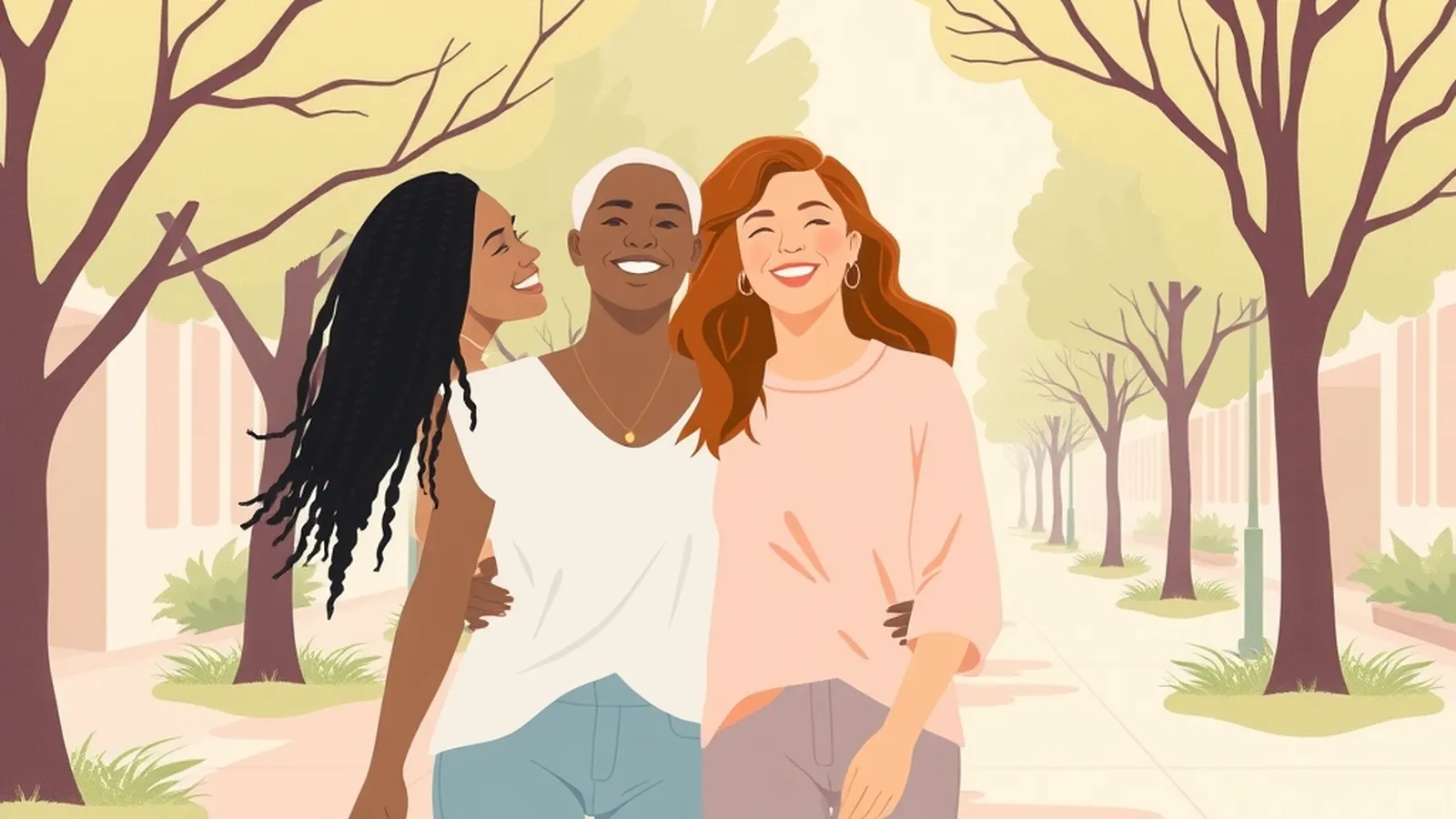
Social connection matters because feeling close to other people is a big part of everyday wellbeing. Many people find that friends, family, neighbors and community help them cope with stress, feel supported and enjoy life more. You don't need a huge social circle. A few small, regular moments of connection, like a short call, a shared walk or a chat with a neighbor, can make a real difference in how you feel.
Connection is one of the support pillars in our Stress & Mind section, alongside rest, movement and calming practices.
Why connection helps
People are social. When you have someone to talk to, laugh with or ask for help, hard things can feel more manageable. Connection can offer:
- Practical support. A ride, a meal, help with a move or someone to watch your pet.
- Emotional support. Someone who listens without trying to fix everything.
- Perspective. A friend who says "that sounds really hard" or "I've been there" can make a stressful situation feel less lonely.
- Fun and meaning. Shared jokes, traditions and projects.
Connection doesn't have to be deep every time. Small, friendly moments with a barista, a coworker or the person walking the same route each morning count too.
Loneliness is common, and it's not your fault
Loneliness is the feeling that you don't have the connection you want. It can happen after a move, a breakup, a new job, a loss, becoming a parent, working from home or simply drifting apart from old friends. It can also happen when you're surrounded by people.
Feeling lonely doesn't mean something is wrong with you. It's a signal, a bit like hunger, that you need more connection. The good news is that small steps can help.
Small ways to connect this week
You don't need a big plan. Pick one or two of these:
| Time you have | Ideas |
|---|---|
| A few minutes | Send a "saw this and thought of you" message; reply to a friend you've been meaning to answer |
| Fifteen minutes | Call someone on your commute or while making dinner; chat with a neighbor |
| An hour | Invite someone for coffee or a walk; join a free community event |
| Ongoing | Join a club, class, faith community, volunteer group or recreational team |
Walking with someone is an easy one, because it combines movement with conversation and doesn't need a reservation. Our guide to walking for fitness has tips for building a walking habit you can share with a friend or group.
Finding community
If your social circle feels small, these places can help you meet people with shared interests:
- Libraries and community centers. Many host free classes, clubs and events.
- Volunteering. Helping others is a natural way to meet people and feel useful.
- Interest groups. Hiking, running, board games, crafts, gardening or cooking groups.
- Faith or cultural communities, if that fits your life.
- Classes. A recurring class means seeing the same faces each week.
Showing up repeatedly is often the key. The first visit can feel awkward; by the third or fourth, faces start to look familiar.
Making connection easier when you're shy or tired
Reaching out can feel hard, especially when you're stressed or worn out. A few ways to lower the bar:
- Start with low-pressure contact. A short text is easier than a long call.
- Plan around what you'd do anyway. Invite a friend to run errands, walk the dog or cook with you.
- Use a script. "I've been meaning to catch up. Want to grab coffee next week?" is enough.
- Accept that some invitations won't work out. A "no" or no reply is usually about the other person's schedule, not about you.
Be the one who reaches out
Many people are waiting for someone else to make the first move. Being the person who reaches out can feel vulnerable, but it's often welcomed. A few ideas:
- Set a small, steady rhythm. A standing weekly call with a sibling or a monthly dinner with a friend takes the planning out of staying close.
- Remember details. Asking "How did the interview go?" shows you were listening.
- Offer help. Bringing soup to a sick neighbor or helping a friend move builds connection both ways.
- Say what you appreciate. Telling someone what their friendship means to you can deepen it.
Connection at work
Many adults spend much of their week at work, so workplace relationships matter. Friendly coworkers can make a hard day lighter, and having someone to vent to or ask for help can ease work stress. Our guide on work stress covers how coworkers and workplace programs can be part of your support.
Screens and connection
Phones and social media can help you stay in touch with people far away. They can also crowd out face-to-face time or leave you comparing your life to everyone else's highlight reel. If you notice you feel worse after scrolling, our digital detox guide has realistic ways to cut back without disconnecting from the people you care about.
Example: rebuilding a social life after a move
Example: Taylor moves to a new city for work and knows no one. For the first month they mostly stay home and feel lonely. Then they sign up for a weekly evening pottery class and start saying hello to the same neighbor on morning walks. By the second month, a classmate invites them to a group dinner. Taylor still misses their old friends, so they set up a monthly video call with them too.
When to reach out for more support
Pulling away from people can be a sign that stress is building. If you've stopped wanting to see anyone, feel numb or exhausted, or can't find the energy to connect, our guide to signs of burnout may help you understand what's going on. If loneliness has lasted a long time, or you're feeling hopeless, a doctor or licensed therapist can help, and our guide on when to get help explains how to find care.
Something to try today
Think of one person you've lost touch with or have been meaning to talk to. Send them a short, specific message today, like "I was thinking about that hike we did. How are you?" There's no need to plan anything big. Just open the door.
Want a structured wellness program?
Some people like the structure of a paid program. This button opens a third-party health or wellness program from one of our advertising partners. Its claims are its own, not ours, and haven't been evaluated by us or the FDA. Talk to your doctor before starting any program, diet or supplement, and weigh any offer against our health red flags checklist.
See the partner program →We may be paid when you click. The program shown can change. Read its terms before you buy anything. How this works
Frequently asked questions
Is it normal to feel lonely even when I'm around people?
Yes. Loneliness is about how connected you feel, not how many people are nearby. You can feel lonely in a busy office or a full house if you don't feel understood or close to anyone.
How do I make friends as an adult?
Start with places you'll visit regularly, like a class, a volunteer shift, a walking group or a club. Seeing the same people over time makes it easier to move from small talk to friendship. Be patient; adult friendships often grow slowly.
When is loneliness a reason to talk to a professional?
If loneliness lasts a long time, comes with low mood or hopelessness, or makes it hard to get through the day, talking to your doctor or a licensed therapist can help. They can support you and help you find ways to connect.