High Fiber Foods and How to Eat More
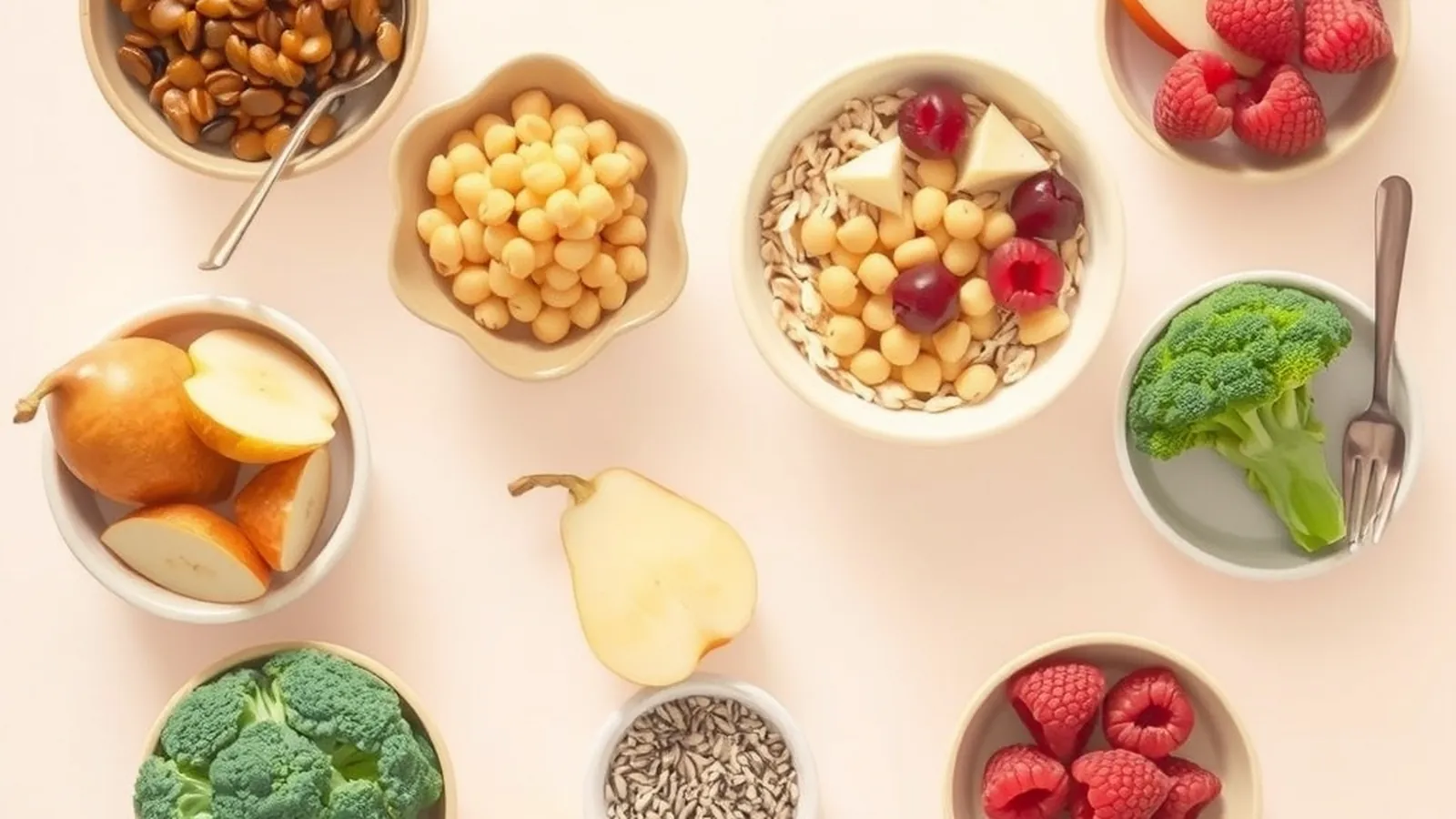
High fiber foods include beans, lentils, peas, whole grains like oats and barley, vegetables, fruits (especially with edible skins), berries, nuts and seeds. To eat more fiber, add one fiber-rich food at a time, increase slowly over a few weeks, and drink water as you go. Going too fast is the most common reason people feel bloated and give up.
Fiber is one of the nutrients that ties many guides in our Nutrition section together, from breakfast to snacks to dinner. Needs vary by person, and some people, including those with certain digestive conditions, may be advised to eat differently. Your doctor or a registered dietitian can help you figure out what's right for you.
What fiber is
Fiber is the part of plant foods your body doesn't fully digest. It's found only in plant foods, not in meat, eggs or dairy. Many people find that eating enough fiber helps keep digestion comfortable and regular, and fiber-rich foods tend to help meals feel more filling.
The two main types
| Type | What it does in general | Common sources |
|---|---|---|
| Soluble fiber | Absorbs water and forms a gel-like texture | Oats, barley, beans, lentils, apples, citrus, carrots, chia seeds |
| Insoluble fiber | Adds bulk and helps food move through | Whole-wheat products, bran, nuts, many vegetables, fruit and vegetable skins |
Most plant foods contain a mix of both. You don't need to track them separately; eating a variety of plant foods covers both types.
High fiber foods by category
- Beans, lentils and peas: black beans, chickpeas, kidney beans, lentils, split peas, edamame. These are among the richest everyday sources.
- Whole grains: oats, barley, bulgur, brown rice, whole-wheat bread and pasta, popcorn, quinoa.
- Vegetables: broccoli, Brussels sprouts, carrots, artichokes, sweet potatoes with the skin, leafy greens.
- Fruits: berries, pears and apples with the skin, oranges, bananas, kiwi, dried fruit like prunes.
- Nuts and seeds: almonds, peanuts, chia seeds, ground flaxseed, sunflower and pumpkin seeds.
On packaged foods, the %DV for dietary fiber is a quick way to compare. With fiber, a higher %DV is usually what you're looking for; our guide to reading nutrition labels explains what counts as low and high.
Easy ways to add more fiber
Pick one of these and add it for a week or two before adding another:
- Upgrade breakfast. Oatmeal, whole-grain cereal, or toast on whole-grain bread with fruit on the side. Our healthy breakfast ideas guide is full of fiber-friendly options.
- Add beans. Toss chickpeas into a salad, black beans into tacos or lentils into soup.
- Half-and-half grains. Mix white and brown rice, or regular and whole-wheat pasta.
- Leave the skin on. Potatoes, apples and pears keep more fiber when you don't peel them.
- Snack on plants. Popcorn, fruit, vegetables with hummus, or a small handful of nuts.
- Sprinkle seeds. Chia seeds or ground flaxseed on yogurt, oatmeal or smoothies.
- Add a vegetable to dinner. Even a bag of frozen mixed vegetables counts.
Go slowly and drink water
Fiber works best with fluid, and your gut needs time to adjust. If you jump from very little fiber to a lot overnight, you may notice gas, bloating, cramping or discomfort. To make it easier:
- Add fiber gradually over a few weeks rather than all at once.
- Drink water through the day; our guide on how to drink more water has easy habits.
- Spread fiber-rich foods across meals instead of eating them all at dinner.
- Notice which foods agree with you. Beans, for example, bother some people more than oats.
See your doctor if you have ongoing stomach pain, changes in bowel habits that last, blood in your stool, or unexplained weight loss. Those are signs to get checked rather than handle with diet changes alone.
Fiber and protein together
Many fiber-rich foods also bring protein, like beans, lentils, edamame, nuts and seeds. Pairing fiber and protein in a meal is a simple way to build a filling plate. Our protein basics guide covers plant and animal protein sources and how needs vary.
Fiber when eating out
Restaurant meals often lean on refined grains and fried sides. A few easy moves: choose a side salad or steamed vegetables, ask for brown rice or whole-grain bread if it's offered, and look for bean-based dishes like chili, burrito bowls or lentil soups. Our guide to eating out healthier has more ideas.
Fiber and sodium in canned foods
Canned beans and vegetables are an affordable, convenient way to add fiber, but some contain a lot of salt. Look for low-sodium or no-salt-added cans, and drain and rinse regular ones. Our sodium guide explains how to compare labels.
Reading grain labels for fiber
Bread and cereal packages can be confusing. Words like "multigrain," "wheat bread" or a brown color don't always mean a product is whole grain. Check the ingredient list for "whole" before the first grain, then compare the fiber %DV between two similar products.
What about fiber supplements?
Most people can get fiber from food, which also brings vitamins, minerals and other plant nutrients. If you're considering a fiber supplement, talk to your doctor or pharmacist first. Some fiber supplements can affect how certain medications are absorbed, and they aren't right for everyone. Be wary of products or programs that promise a "gut reset" or "cleanse." Our guide to health scam red flags explains why phrases like those are worth questioning.
Example: two weeks of gradual changes
Example: Avery mostly ate white bread, white rice and few vegetables. They wanted more fiber without discomfort.
- Days 1 to 4: Switched breakfast cereal to oatmeal with a banana.
- Days 5 to 9: Added a handful of baby carrots or an apple to lunch.
- Days 10 to 14: Started mixing brown rice into white rice at dinner and adding black beans to tacos.
Avery drank a glass of water with each meal. When beans made them gassy, they used smaller amounts and built up slowly. This is just one example; your pace may be different.
Try this today
Choose one fiber-rich food from the lists above that you already like. Add it to one meal today, and drink a glass of water with that meal. Tomorrow, keep that change and notice how you feel.
Want a structured wellness program?
Some people like the structure of a paid program. This button opens a third-party health or wellness program from one of our advertising partners. Its claims are its own, not ours, and haven't been evaluated by us or the FDA. Talk to your doctor before starting any program, diet or supplement, and weigh any offer against our health red flags checklist.
See the partner program →We may be paid when you click. The program shown can change. Read its terms before you buy anything. How this works
Frequently asked questions
What foods are high in fiber?
Beans, lentils, peas, whole grains like oats and barley, vegetables, fruits with edible skins, berries, nuts and seeds are common fiber-rich foods. Use the %DV on a label to compare packaged foods.
Why should I add fiber slowly?
Adding a lot of fiber at once can cause gas, bloating or discomfort for some people. Increasing gradually over a few weeks and drinking water gives your body time to adjust.
Should I take a fiber supplement?
Most people can add fiber through food, which also brings other nutrients. If you're thinking about a fiber supplement, talk to your doctor or pharmacist first, since some can affect how certain medications are absorbed.