How to Drink More Water
To drink more water, make it easy and automatic: keep a filled bottle within reach, link a glass to things you already do each day, like meals and brushing your teeth, and add natural flavor if plain water bores you. How much you need varies with your body, activity, health and the weather, so there's no single number that fits everyone.
Water is the simplest drink in our Nutrition section, and for most people it's free from the tap. If you have a heart, kidney or other health condition, or take medications that affect fluids, your doctor may give you personal instructions, and those always come first.
Why water matters
Water is part of nearly everything your body does, from regulating temperature to digestion. You lose water through sweat, breathing and the bathroom, so it needs to be replaced through drinks and food throughout the day. Many people find they feel more alert and comfortable when they're drinking enough, and some find it easier to tell thirst apart from hunger.
How much is enough?
You may have heard a specific number of glasses a day. In reality, needs differ from person to person and day to day. You may need more fluid when:
- It's hot or humid
- You're exercising or doing physical work
- You're at a high altitude
- You're sick with a fever, vomiting or diarrhea
- You're pregnant or breastfeeding (ask your doctor what's right for you)
A practical approach many people use: drink regularly through the day, drink when you feel thirsty, and pay attention to your body's signals.
Signs you may need more to drink
Common signs that you may be low on fluids include:
- Feeling thirsty
- A dry mouth or lips
- Dark yellow urine or not going very often
- Feeling tired, headachy or lightheaded
Pale yellow urine is generally a sign you're drinking enough, though some vitamins and foods can change urine color. Get medical help right away for signs of severe dehydration, such as confusion, fainting, a very fast heartbeat or being unable to keep fluids down. In an emergency, call 911. Older adults and young children can become dehydrated more easily, so their caregivers should ask a doctor for guidance.
Habits that make it automatic
Willpower doesn't last, but habits do. Pick one or two of these:
- Keep a bottle in sight. On your desk, in your car, next to the couch. Out of sight really can mean out of mind.
- Anchor water to routines. A glass when you wake up, with each meal and when you get home from work.
- Drink before you refill coffee. Have a glass of water each time you go for a second cup.
- Use a bottle with marks or simply aim to refill your bottle a certain number of times a day, a goal you set for yourself.
- Order water when eating out. Ask for a glass alongside any other drink.
- Eat water-rich foods. Watermelon, cucumbers, oranges, lettuce, tomatoes, soups and yogurt all contain water.
Flavor ideas for plain-water skeptics
If plain water feels boring, a little flavor goes a long way. Try adding:
- Sliced lemon, lime or orange
- Cucumber and fresh mint
- A handful of frozen berries, which also chill the water
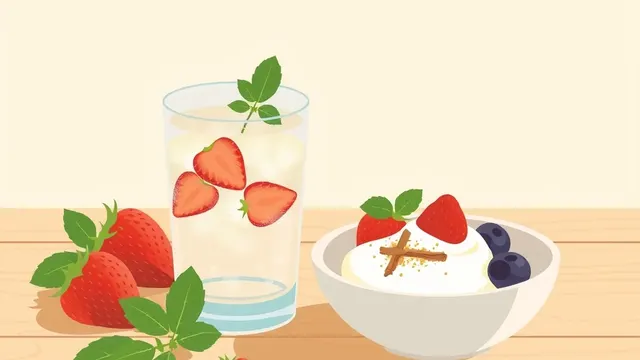
- Sliced strawberries and basil
- A splash of 100% fruit juice
- Fresh ginger slices
- Cold herbal tea, unsweetened
Sparkling water counts too. If you like flavored sparkling water, unsweetened versions are widely available.
What about other drinks?
Most drinks contribute to your daily fluid. A few things to keep in mind:
| Drink | Things to consider |
|---|---|
| Plain or sparkling water | Simple, no added sugars, usually the cheapest choice |
| Milk or fortified soy milk | Adds protein and other nutrients |
| Coffee and tea | Contain water; caffeine affects people differently and can disrupt sleep later in the day |
| Soda, sweet tea, energy and sports drinks | Can contain a lot of added sugars; caffeine levels vary |
| Juice | Contains natural sugars; a small glass or a splash in water is one option |
| Alcohol | Best not counted toward your fluids; drinking less is better for health |
On alcohol, the CDC's view is simple: less is better than more, and some people shouldn't drink at all. Our guide to alcohol and health covers who should skip it and how to cut back.
Sweetened drinks are one of the most common sources of added sugars for many people. If you'd like to cut back, our added sugar guide explains how to read the label and swap gradually, such as mixing juice with sparkling water.
Sports drinks are designed for long, intense exercise and often contain added sugars and sodium. For everyday activity, water is usually enough. If you sweat heavily for long periods, your doctor can help you think through what you need. Our sodium guide explains how to compare sodium on drink and food labels.
Water, exercise and recovery
Drinking water before, during and after physical activity helps replace what you lose through sweat, especially in the heat. It's one of the simple building blocks of recovery, alongside sleep and rest days. Our guide to rest and recovery explains how those pieces work together after you've been active.
Water and snacks
Sometimes what feels like hunger is actually thirst. If you're reaching for a snack soon after a meal, try a glass of water first and see how you feel in a few minutes. If you're still hungry, our healthy snacks guide has easy pairings that keep you going.
Example: building the habit
Example: Casey rarely drank water at work and felt sluggish by mid-afternoon. They didn't try to overhaul everything at once. Instead:
- Week one: They put a refillable bottle on their desk and drank a glass with breakfast.
- Week two: They added cucumber slices because they found plain water dull.
- Week three: They started drinking a glass of water before their afternoon coffee.
Casey still drinks coffee and an occasional soda. The difference is that water became the default instead of an afterthought.
When to talk to your doctor
Ask your doctor about fluid needs if you have a heart, kidney or liver condition, take diuretics or other medications that affect fluid balance, are pregnant or breastfeeding, or notice you're constantly thirsty or urinating far more than usual. Those can be signs worth checking.
Try this today
Fill a water bottle right now and put it somewhere you'll see it for the rest of the day. Pick one daily routine, like lunch or getting home, and pair a glass of water with it starting today.
Want a structured wellness program?
Some people like the structure of a paid program. This button opens a third-party health or wellness program from one of our advertising partners. Its claims are its own, not ours, and haven't been evaluated by us or the FDA. Talk to your doctor before starting any program, diet or supplement, and weigh any offer against our health red flags checklist.
See the partner program →We may be paid when you click. The program shown can change. Read its terms before you buy anything. How this works
Frequently asked questions
How much water should I drink a day?
There's no single amount that fits everyone. Fluid needs vary with your body, activity, the weather and your health. Your doctor can tell you if you need a personal target or limit.
Do other drinks and foods count toward hydration?
Yes. Milk, tea, coffee and other drinks contain water, and so do many foods, like fruits, vegetables and soups. Plain water is still a simple, free choice for most of the day.
Can you drink too much water?
It's possible, though uncommon for most healthy people. Some people with certain health conditions or medications are told to limit fluids. Follow your doctor's personal advice if you've been given any.