Healthy Eating for Beginners
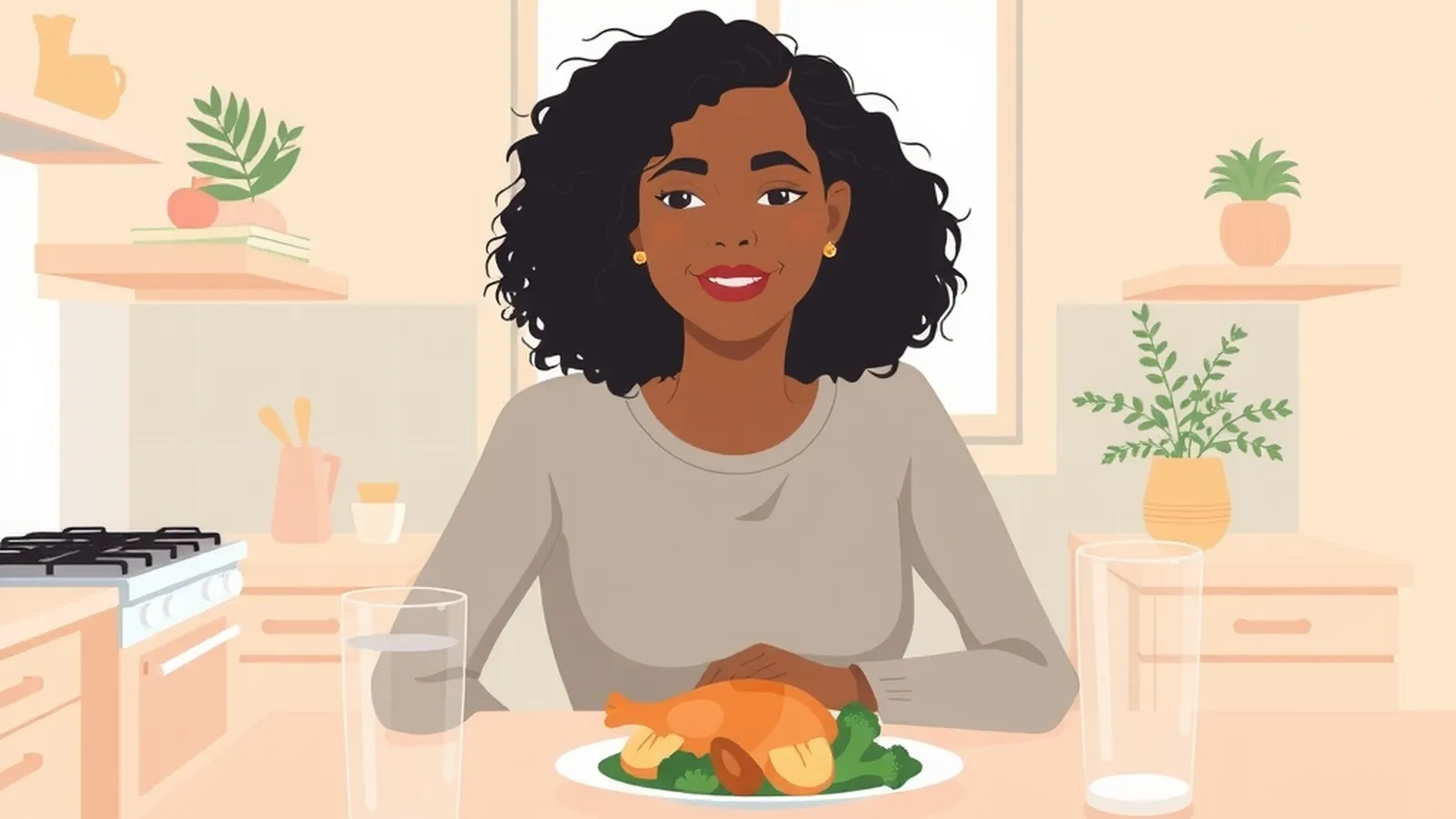
Healthy eating for beginners doesn't mean a strict plan or a list of forbidden foods. It means building most of your meals around a variety of vegetables and fruits, whole grains, protein foods and water, then adjusting over time to fit your tastes, budget and life. Start with one small change, not ten.
That idea runs through our whole Nutrition section: practical steps that hold up on a busy weeknight, not rules that fall apart by Thursday. Your needs depend on your age, health, activity level, culture and more, so your doctor or a registered dietitian is the best person to help you tailor any of this.
What "healthy eating" actually means
There's no single perfect diet. Most reputable advice, including the Dietary Guidelines for Americans from the USDA and HHS, focuses on eating patterns rather than individual foods. (The guidelines are updated every five years, and DietaryGuidelines.gov has the current edition.) A pattern is what you eat most of the time, across weeks and months. One slice of birthday cake or a fast-food lunch doesn't undo it.
A few ideas come up again and again:
- Variety. Different foods bring different nutrients, so rotating what you eat matters more than finding one "perfect" meal.
- Mostly whole or lightly processed foods, alongside the convenient ones that make your week work.
- Enjoyment. Food is also culture, comfort and connection. A way of eating you can keep up with beats one you dread.
The five building blocks
Vegetables and fruits
Fresh, frozen, canned and dried all count. Frozen vegetables keep for a long time and save chopping, which makes them a handy backup on tired nights. If you buy canned, you can compare products for added salt or sugar; our guide to reading nutrition labels shows you how to spot the difference in a few seconds.
Whole grains
Oats, brown rice, whole-wheat bread and pasta, barley, popcorn and whole-corn tortillas are common options. On packaged foods, look for "whole" near the start of the ingredient list. You don't need to swap every grain at once. Mixing half white and half brown rice is a perfectly good start.
Protein foods
Beans, lentils, eggs, fish, poultry, meat, tofu, nuts, seeds and dairy or fortified soy products all bring protein. Mixing plant and animal sources adds variety to your week.
Dairy or alternatives
Milk, yogurt, cheese or fortified soy drinks fit here. If you don't eat dairy, a dietitian can help you think through other ways to cover what it usually provides.
Water
Water is the simplest everyday drink, plain or sparkling, from the tap or a bottle you refill.
A simple plate sketch
One visual many people find helpful: fill about half your plate with vegetables and fruits, about a quarter with grains (whole grains when you can) and about a quarter with protein, plus water or milk to drink. The word "about" is doing real work here. This is a rough sketch for planning a meal, not a measuring exercise, and plenty of great dishes, like stews, stir-fries and burritos, mix everything together.
A sample day
Example: Here's one way a day could look for Jordan, who works an office job and cooks a little in the evenings. It's an illustration, not a prescription. Portions and choices should fit your own needs.
| Meal | What Jordan eats | Building blocks |
|---|---|---|
| Breakfast | Oatmeal with frozen berries and a spoonful of peanut butter | Grain, fruit, protein |
| Lunch | Leftover bean and turkey chili with baby carrots on the side | Protein, vegetables |
| Snack | Plain yogurt and an apple | Dairy, fruit |
| Dinner | Sheet-pan chicken thighs, potatoes and broccoli, plus whole-wheat bread | Protein, vegetables, grain |
| Drinks | Water through the day, coffee in the morning | Water |
Notice what's missing: no special products, nothing exotic and no "cheat meal" language. A week of days like this, with some takeout and treats mixed in, is a realistic pattern.
Common beginner roadblocks
"I don't have time." Planning a few meals ahead often saves more time than it costs. Our meal prep basics guide shows how to batch-cook two or three things on the weekend so weeknight dinners come together faster.
"Eating well is expensive." Beans, lentils, oats, eggs, frozen vegetables, bananas, cabbage and carrots are among the more affordable staples in many stores. Simple home cooking usually costs less than takeout, and our guide to cooking at home includes a five-dinner plan built from pantry basics.
"I don't know where to start." Pick one meal of the day and improve only that one. Breakfast is often easiest, because most people eat nearly the same thing every morning.
"I keep falling off track." There's no track to fall off. If dinner was fries and soda, the next meal is simply the next meal. No guilt required.
Small changes that add up
Choose one item from this list, keep it going for a couple of weeks, then consider adding another:
- Add one vegetable to a meal you already eat, such as spinach in scrambled eggs or peppers in a wrap.
- Keep a filled water bottle where you'll see it.
- Swap one refined grain for a whole grain.
- Put a bowl of fruit on the counter instead of in a drawer.
- Cook one more meal at home each week than you do now.
- Eat sitting down, at a table, at least once a day.
Food is only one part of feeling well. If you want help choosing a first habit across eating, movement, sleep and stress without overloading yourself, read our guide to healthy habits for beginners.
Be careful with quick-fix plans
When you're new to this, it's tempting to buy a plan that promises fast results. Be wary of anything that cuts out whole food groups, sells pricey "must-have" products or leans on glowing testimonials instead of evidence. Our guide to health scam red flags lists the warning signs regulators point to, and our Healthy Weight section takes a calm, weight-neutral look at fads.
When to get personal advice
General tips are only a starting point. Talk to your doctor or a registered dietitian before making big changes if you're pregnant or nursing, managing a health condition, taking medications that interact with food, living with food allergies, or planning meals for a child or an older adult. If thoughts about food, eating or your body feel stressful or out of control, a doctor or licensed therapist can help, and you deserve that support.
Try this today
Think about what you plan to eat for dinner tonight and ask one question: is there a vegetable or fruit on the plate? If not, add one, even if it's a handful of frozen peas or a few slices of cucumber. That's the whole task. Small, ordinary steps like this are how lasting habits begin.
Want a structured wellness program?
Some people like the structure of a paid program. This button opens a third-party health or wellness program from one of our advertising partners. Its claims are its own, not ours, and haven't been evaluated by us or the FDA. Talk to your doctor before starting any program, diet or supplement, and weigh any offer against our health red flags checklist.
See the partner program →We may be paid when you click. The program shown can change. Read its terms before you buy anything. How this works
Frequently asked questions
What is the easiest healthy eating change for a beginner?
Pick one meal you already eat and add a vegetable or fruit to it, or swap one refined grain for a whole grain. Small, repeatable changes tend to stick better than a full overhaul.
Do I have to give up foods I love to eat healthy?
No. Healthy eating is about your overall pattern over weeks, not single meals. Favorite foods can fit, and enjoying what you eat makes it easier to keep going.
Should I see a registered dietitian?
If you have a health condition, take medications, are pregnant or have specific goals, a doctor or registered dietitian can give advice that fits you. A general guide can't account for your personal needs.