Meal Prep for Beginners
Meal prep for beginners is simpler than social media makes it look. Choose a few meals for the week, shop with a list, cook a couple of basics in one session, and store them safely in the fridge or freezer. You don't need matching containers or a whole Sunday, just a plan and an hour or two.
Planning ahead is one of the most practical habits in our Nutrition section, because it takes daily decisions off your plate when you're tired. If you have a health condition or specific nutrition needs, your doctor or a registered dietitian can help you decide what belongs in your plan.
Why meal prep helps
Weeknight dinner decisions often happen when you're hungry and low on energy, which is exactly when takeout looks easiest. Prepping ahead can:
- Save time on busy days
- Cut down on food waste, because you shop for a plan
- Save money compared with frequent takeout
- Make it easier to include vegetables, whole grains and protein without extra thought
It's not all-or-nothing. Even prepping one thing, like a pot of rice, counts.
Three styles of meal prep
| Style | What it looks like | Good for |
|---|---|---|
| Full meals | Cook complete meals and portion them into containers | People who want grab-and-go lunches |
| Ingredient prep | Cook a grain, roast a tray of vegetables, cook a protein, then mix and match | People who get bored eating the same thing |
| Cook once, eat twice | Make a double batch of dinner and save half | People who don't want a separate prep day |
Most people end up using a mix. Try one style first.
Step 1: Plan
Keep the plan short. Start with three or four dinners or five lunches, not every meal of the week.
- Check what you already have in the fridge, freezer and pantry.
- Pick recipes that share ingredients, like a bag of spinach used in two meals.
- Include at least one meal that reheats well, like chili, soup or a grain bowl.
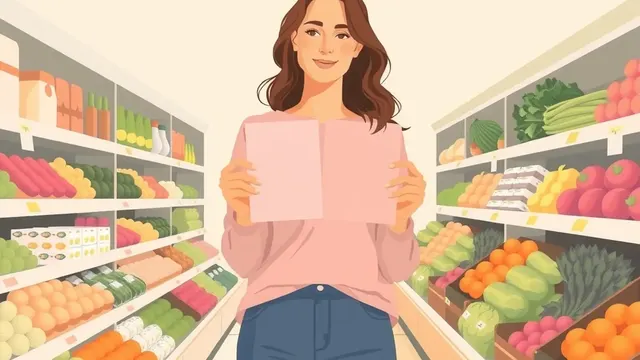
- Write a shopping list grouped by store section.
While you're shopping, a quick look at the Nutrition Facts panel on staples like sauces, bread and canned beans can help you compare options. Our guide to reading nutrition labels shows how to do that in seconds.
Step 2: Batch cook
Pick a block of time that works for you; it doesn't have to be Sunday. Start with the things that take longest, and let the oven and stovetop work at the same time.
Example: Here's a sample 90-minute session for Sam, who wants easy lunches and a head start on dinners.
- Start a pot of brown rice or another whole grain.
- Toss chopped vegetables with oil and seasoning and roast them on a sheet pan.
- Bake or simmer a protein, such as chicken thighs, tofu or a pot of lentils.
- While those cook, wash and cut raw vegetables for snacking.
- Hard-boil a batch of eggs for breakfasts.
- Let everything cool briefly, then portion and refrigerate.
By the end, Sam has building blocks for grain bowls, wraps and quick dinners, plus snacks and breakfast ready to grab.
Step 3: Store food safely
Food safety matters most when you're cooking in advance. These general habits help:
- Refrigerate cooked food promptly. Don't leave it sitting out for a long time while you clean up.
- Use shallow containers. Smaller, shallow containers help food cool faster and more evenly in the fridge.
- Date your containers. A strip of tape and a marker is enough.
- Freeze what you won't eat soon. Soups, chili, cooked grains and many casseroles freeze well. Move them to the fridge to thaw.
- Reheat thoroughly. Leftovers should be steaming hot all the way through before you eat them. Stir halfway when using a microwave.
- Keep raw and cooked foods apart. Use separate cutting boards or wash them well between uses, and wash your hands after handling raw meat.
- When in doubt, throw it out. Smell and appearance aren't reliable guides to whether food is safe.
How long specific foods keep varies, so follow package directions and official food safety guidance. Anyone who is pregnant, older, or has a weakened immune system may need to take extra care, so ask your doctor what applies to you.
Don't forget breakfasts and snacks
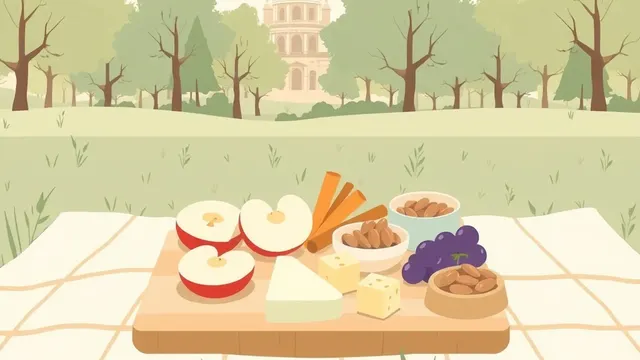
Mornings and mid-afternoon are where many plans fall apart. Overnight oats, egg muffins and yogurt cups can all be prepped ahead; our healthy breakfast ideas guide has more options. For the afternoon slump, portioning snacks into small containers right after shopping makes grabbing one easy, and our healthy snacks guide shows how to pair foods so they keep you satisfied longer.
Containers and freezer basics
You don't need a matching set. Any clean container with a tight lid works. Glass containers can usually go from fridge to microwave, while lightweight plastic ones are easy to carry; check that plastic is labeled microwave-safe before reheating in it. Freezer bags laid flat save space and thaw faster. Leave a little room at the top of containers for soups, since liquids expand as they freeze.
Common mistakes and easy fixes
- Too ambitious too soon. Five new recipes in one session is exhausting. Start with one new recipe and one familiar one.
- Same meal, every day. Ingredient prep and different sauces keep things interesting.
- Prepping foods that don't hold up. Crispy and leafy items can get soggy. Keep dressings separate and add delicate greens on the day.
- Forgetting about leftovers. Put the oldest containers at the front of the fridge.
Fitting prep into your week
The best prep day is one you can repeat. Some people split it: grains and proteins on the weekend, vegetables on a weeknight. If you want help turning meal prep into a regular part of your week, our guide to building a healthy routine explains how to anchor new habits to ones you already have.
You'll see plenty of paid meal plans and prep programs online. Some people find structure useful, but you don't need to pay to get started. Our guide on whether health programs are worth it can help you weigh a paid plan against free options.
Try this today
Open your fridge and pantry and write down three meals you could make this week with mostly what's already there. Add the missing items to a short list. Pick one of those meals and make a double batch, saving half for later.
Want a structured wellness program?
Some people like the structure of a paid program. This button opens a third-party health or wellness program from one of our advertising partners. Its claims are its own, not ours, and haven't been evaluated by us or the FDA. Talk to your doctor before starting any program, diet or supplement, and weigh any offer against our health red flags checklist.
See the partner program →We may be paid when you click. The program shown can change. Read its terms before you buy anything. How this works
Frequently asked questions
Do I have to prep every meal for the whole week?
No. Many beginners start by prepping just lunches or just a few dinners. Prepping a few ingredients, like a grain and a chopped vegetable, can help as much as full meals.
How long do meal prep leftovers last?
It depends on the food and how it's stored. Refrigerate cooked food promptly, follow storage guidance on packages and from official food safety sources, and when in doubt, throw it out.
Is meal prep only for people trying to lose weight?
Not at all. Meal prep is mostly about saving time, money and stress. Anyone who wants easier weeknights can use it, whatever their goals.