Healthy Snacks
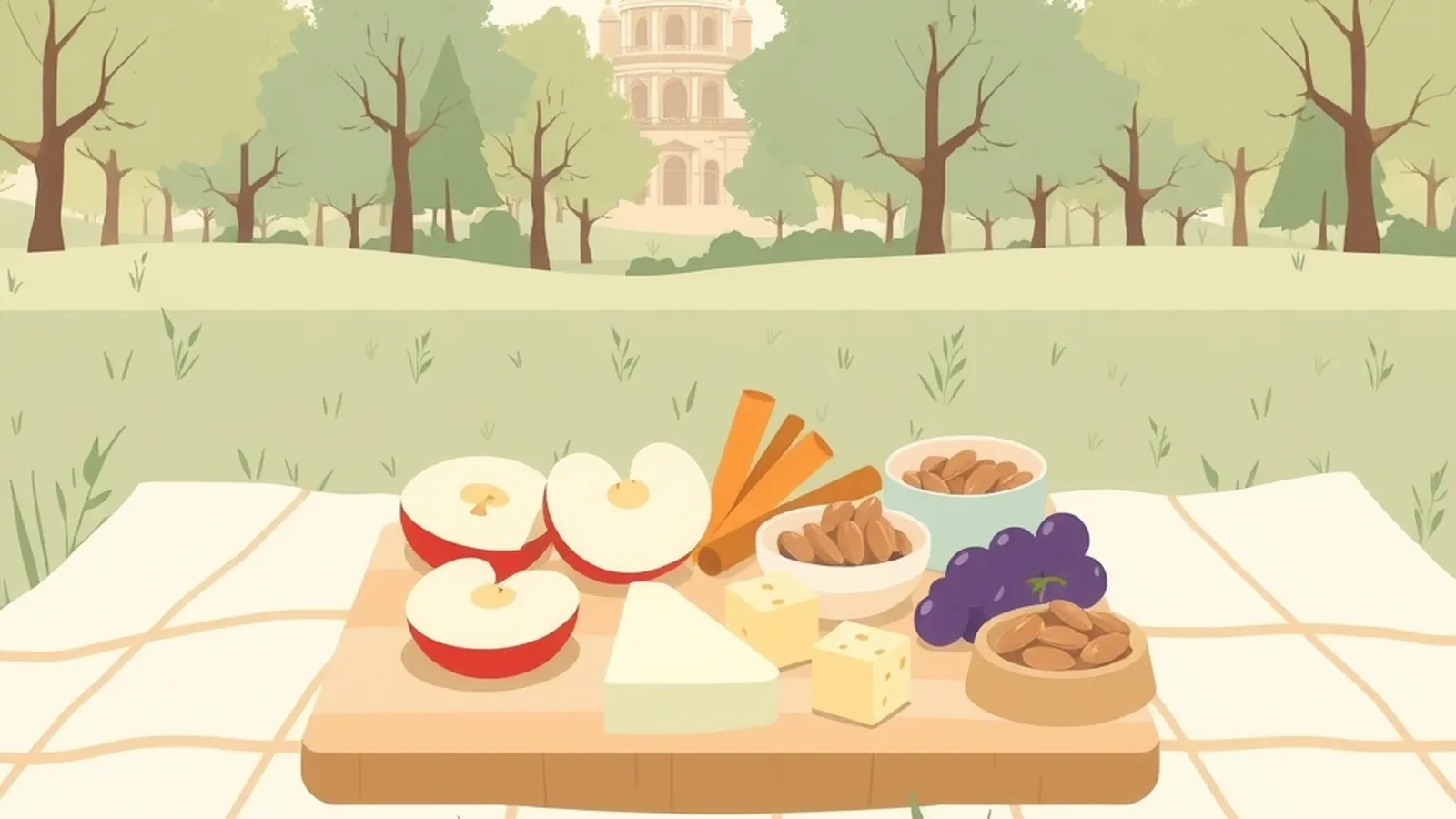
A healthy snack usually pairs a protein food with a fiber-rich food, like apple slices with peanut butter, yogurt with berries, or hummus with carrots. That combo tends to tide many people over until the next meal better than a snack of refined carbs alone. Planning a few snacks ahead is what makes it work on busy days.
Snacks are a small part of eating well, but they add up across a week, which is why they get their own guide in our Nutrition section. Everyone's appetite, schedule and needs differ. If you manage a health condition or take medication that's affected by when you eat, ask your doctor or a registered dietitian how snacks fit your day.
Why the pairing works
Protein and fiber both tend to help people feel satisfied. Pairing them gives a snack more staying power, and adding fruits or vegetables brings in variety and color. It's a flexible formula, not a rule. Sometimes you just want a cookie, and that's okay too.
Pairing ideas
| Protein part | Fiber part | Together |
|---|---|---|
| Peanut or almond butter | Apple or banana | Classic, sweet and filling |
| Hummus | Carrots, cucumbers, peppers | Crunchy and savory |
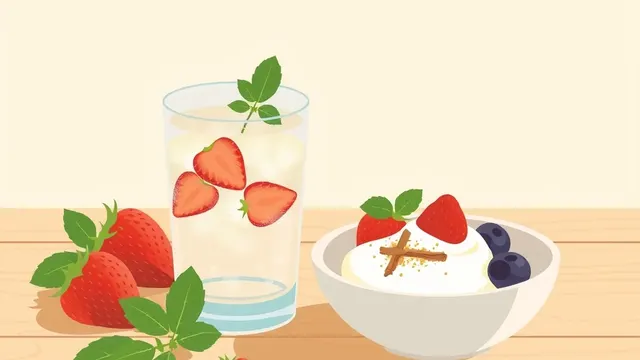
| Plain yogurt | Berries and a sprinkle of oats | Creamy, easy to prep |
| Cheese | Whole-grain crackers or grapes | Quick and portable |
| Hard-boiled egg | Cherry tomatoes | Savory, make-ahead |
| Cottage cheese | Pineapple or peaches | Sweet and creamy |
| Edamame | Eaten on its own | Protein and fiber in one |
| Roasted chickpeas | Eaten on its own | Crunchy, shelf-stable |
| A small handful of nuts | Dried fruit or an orange | Good for travel |
Portable snacks for work, errands and travel
Keep a small stash where you spend your time, so you aren't stuck with whatever is in the vending machine.
At your desk or in a drawer: nuts, seeds, whole-grain crackers, nut butter packets, roasted chickpeas, shelf-stable fruit cups packed in juice or water, and whole fruit like apples or oranges.
In a work fridge: yogurt, cheese sticks, hummus, cut vegetables, hard-boiled eggs.
In a bag or car: a small container of trail mix, a banana, or a granola-style bar. Bars vary a lot in added sugars, so compare a few. Our added sugar guide explains how to check the label and make easy swaps.
Plan snacks like you plan meals
Snacks often go off course because they're decided in the moment, when you're already hungry. A little planning helps.
- Notice when you get hungry. Many people hit a dip in the mid-afternoon.
- Pick two or three go-to snacks for those times.
- Portion them after shopping. Wash grapes, cut vegetables and split a large bag of nuts or crackers into small containers. Our meal prep basics guide explains how to fold this into a weekly prep session.
- Put them where you'll see them. Front of the fridge, top of your bag.
Portioning ahead also takes the guesswork out of how much to eat from a big bag. For a gentle, weight-neutral take on serving amounts, plates and hunger cues, see our guide to portion sizes.
Hungry or thirsty?
Sometimes what feels like a snack craving is thirst, boredom or tiredness. Before you reach for something, try a glass of water and give it a few minutes. If you're still hungry, eat. Our guide on how to drink more water has ideas for keeping a drink nearby through the day.
If you notice that you often snack when you're stressed, bored or upset, that's very common, and it's not a failure. Our Healthy Weight section has a kind, practical guide to emotional eating, and a doctor or licensed therapist can help if eating ever feels out of control.
Example: a snack plan for a long day
Example: Morgan works a 10-hour shift with a short lunch break. They used to skip snacks and feel ravenous by dinner. Here's what they pack now:
- Mid-morning: a banana and a cheese stick
- Lunch: leftovers from dinner
- Mid-afternoon: hummus with baby carrots and whole-grain crackers
- Commute home: a small handful of almonds
The plan isn't perfect every day, and some days a coworker brings donuts. That's fine. Having a plan most days makes the occasional detour no big deal.
Snacks at home vs. on the go
At home, it's easy to graze straight from the bag or the fridge without noticing how much you've eaten or whether you were hungry. A few small habits help:
- Put a snack on a plate or in a bowl instead of eating from the package.
- Sit down to eat it, even for a few minutes.
- Keep fruit and prepped vegetables at eye level in the fridge.
On the go, the challenge is usually the opposite: no food at all, then a gas station or vending machine. Keeping one shelf-stable snack in your bag or car for those moments can make a big difference to how you feel by dinner.
If you have a health condition such as diabetes, or you take medication that's affected by when and what you eat, your doctor or a registered dietitian can help you plan snack timing that fits your treatment.
Snacks that feel like a treat
Snacks don't have to be serious. A few ideas that feel a little special:
- Frozen grapes or banana slices
- Plain popcorn tossed with a little parmesan or cinnamon
- Yogurt with a few chocolate chips
- Apple slices with nut butter and a pinch of cinnamon
- A homemade smoothie with frozen fruit and milk or yogurt
Many of these overlap with breakfast. Our healthy breakfast ideas guide has more make-ahead options you can eat at any time of day.
A word on snack products and programs
The snack aisle is full of packages that say "protein," "keto," "natural" or "guilt-free." Those words are marketing, not a guarantee of anything. The Nutrition Facts panel and ingredient list tell you more. The same goes for subscription snack boxes and programs promising quick results; our guide to choosing a wellness program has questions to ask before you pay.
Try this today
Choose one pairing from the table above that you'd actually enjoy. Check that you have both parts at home, or add them to your list. Then pack it tonight for tomorrow's afternoon, and notice how you feel by dinner.
Want a structured wellness program?
Some people like the structure of a paid program. This button opens a third-party health or wellness program from one of our advertising partners. Its claims are its own, not ours, and haven't been evaluated by us or the FDA. Talk to your doctor before starting any program, diet or supplement, and weigh any offer against our health red flags checklist.
See the partner program →We may be paid when you click. The program shown can change. Read its terms before you buy anything. How this works
Frequently asked questions
What is a healthy snack?
A snack that pairs a protein food with a fiber-rich food, like apple slices with peanut butter or hummus with vegetables, is a satisfying choice for many people. What counts as right for you depends on your needs and appetite.
Is it okay to snack between meals?
Yes, for most people snacking isn't a problem in itself. Planned snacks can help some people stay comfortable between meals. Your doctor or a registered dietitian can help if you have specific health needs around eating times.
What are good snacks to keep at work?
Shelf-stable options like nuts, seeds, whole-grain crackers, nut butter packets, dried fruit, roasted chickpeas and fresh fruit like apples, bananas and oranges are easy to keep at a desk.