Breathing Exercises for Stress
Breathing exercises for stress are simple patterns of slow, steady breathing you can do anywhere, in a minute or two. Two easy ones to start with are box breathing (breathe in, hold, breathe out and hold for equal counts) and slow breathing with a longer breath out. Many people find these help them feel a little calmer and more focused, especially when they practice on calm days so the pattern feels familiar when stress hits.
Breathing is one of the quickest tools in our Stress & Mind section, and it needs no equipment, money or special place.
Why breathing can help
When you're stressed, your breathing often gets faster and shallower without you noticing. Slowing it down on purpose gives your attention something steady to hold, and many people find it helps them feel more settled. It's not magic and it won't remove the source of your stress, but it can create a short pause between feeling overwhelmed and deciding what to do next.
Before you start
- Get comfortable. Sit, stand or lie down. Let your shoulders drop.
- Breathe gently. You don't need to fill your lungs to the top. Easy, comfortable breaths are the goal.
- Use your nose if that's comfortable. If not, breathing through your mouth is fine.
- Stop if you feel dizzy or uncomfortable. Go back to normal breathing. If you have asthma, COPD, a heart condition or another health concern, or you're pregnant, ask your doctor whether these exercises suit you.
Exercise 1: Box breathing
Box breathing uses four equal steps, like the four sides of a square. Picture tracing the edges of a box as you go.
- Breathe in slowly through your nose for a count of four.
- Hold your breath gently for a count of four.
- Breathe out slowly for a count of four.
- Hold gently for a count of four.
- Repeat for about four rounds, or as long as feels comfortable.
If four counts feels too long, try three. The count is only a guide; what matters is keeping the rhythm slow and even. Some people skip the holds entirely at first, and that's fine.
Good for: moments when you need to focus, like before a meeting, a phone call or a test. The counting gives a busy mind something to do.
Exercise 2: Slow breathing with a longer breath out
This pattern makes the breath out a little longer than the breath in, which many people find relaxing.
- Breathe in through your nose for a count of four.
- Breathe out slowly through your mouth or nose for a count of six, as if you're gently fogging a window.
- Keep going for one to three minutes.
If six feels like a stretch, try in for three and out for five. Comfort comes first.
Good for: winding down at the end of the day, after a tense conversation, or when you're lying in bed and your mind won't settle.
Exercise 3: Belly breathing
Belly breathing helps you notice where your breath goes.
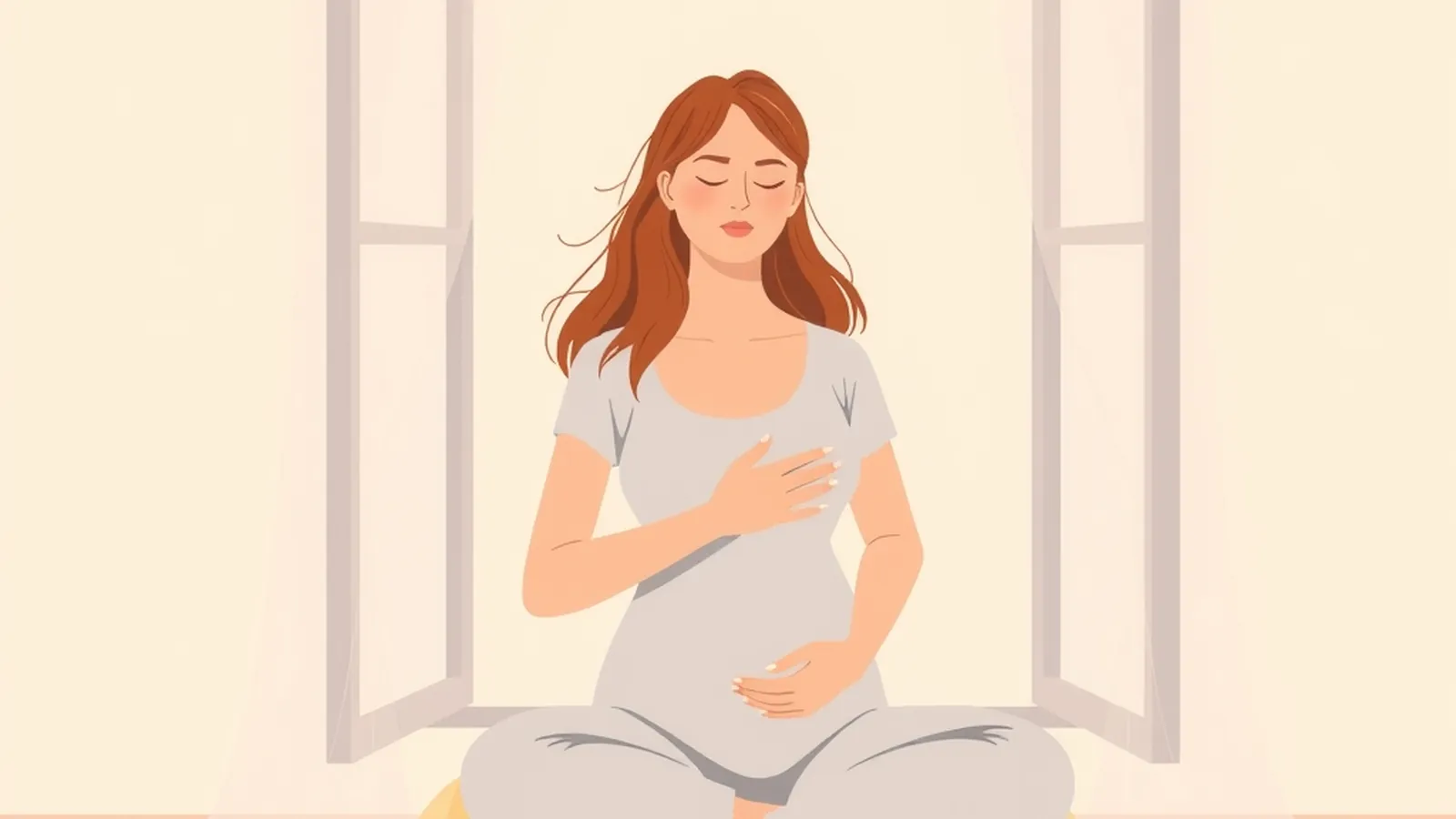
- Sit or lie down and place one hand on your chest and one on your belly.
- Breathe in slowly and let your belly rise under your hand while your chest stays fairly still.
- Breathe out slowly and feel your belly fall.
- Repeat for a few minutes.
Good for: practicing when you're calm, so you get a feel for slower, deeper breathing.
Which exercise when?
| Situation | Try this | Why it fits |
|---|---|---|
| Before a stressful meeting or call | Box breathing, 4 rounds | Counting helps steady your focus |
| After an argument or tense moment | Longer breath out, 2 minutes | The slow exhale helps you settle |
| Lying awake at night | Longer breath out, gently | Quiet and easy to do in bed |
| Learning the basics | Belly breathing | Helps you feel how slow breathing works |
| Waiting in line or traffic | A few slow breaths, eyes open | Discreet and safe to do anywhere |
If you're driving, keep your eyes open and your attention on the road. Skip holds and counting that pull your focus.
Common beginner questions
Should I breathe through my nose or mouth? Whatever feels comfortable. Many people like breathing in through the nose and out through the mouth, but there's no single right way.
What if counting makes me tense? Drop the counting and simply breathe a little slower than usual. The goal is ease, not perfection.
Making it a habit
Breathing exercises tend to work best when they're familiar. A few ways to build the habit:
- Attach it to something you already do. Do three slow breaths each time you sit down at your desk, start the car or turn on the kettle.
- Add it to your evening. A couple of minutes of slow breathing fits nicely into a calming bedtime routine, right after you turn the lights down.
- Pair it with mindfulness. Breathing is the anchor for many beginner practices, and our mindfulness for beginners guide shows how to build on it.
- Write about it afterward. If you're curious whether it's helping, a line or two in a journal can show patterns over time. Our guide to journaling for wellbeing has simple prompts.
Example: a two-minute reset at work
Example: Sam gets tense every time their inbox fills up after lunch. They decide to try a two-minute reset: before opening email, they sit back, drop their shoulders and do four rounds of box breathing with a count of three. Some days it helps a lot; some days only a little. After a couple of weeks, they notice they reach for it on their own when a hard email lands.
What breathing exercises can't do
Breathing is one tool in a bigger toolkit. It won't fix a heavy workload, a hard relationship or money worries, and it isn't a treatment for anxiety, panic or any other condition. Our guide to stress management basics shows how breathing fits with sleep, movement, schedule changes and support.
If you often feel short of breath, have chest pain, or feel like you can't catch your breath, don't try to manage it with breathing exercises alone. Seek medical care, and call 911 in an emergency. If stress or worry is getting in the way of daily life, a doctor or licensed therapist can help.
Something to try today
Choose one moment you'll hit today, like boiling water or sitting down for lunch. When it comes, do two minutes of slow breathing with a longer breath out. Afterward, notice one thing that feels even slightly different, such as your shoulders, jaw or thoughts.
Want a structured wellness program?
Some people like the structure of a paid program. This button opens a third-party health or wellness program from one of our advertising partners. Its claims are its own, not ours, and haven't been evaluated by us or the FDA. Talk to your doctor before starting any program, diet or supplement, and weigh any offer against our health red flags checklist.
See the partner program →We may be paid when you click. The program shown can change. Read its terms before you buy anything. How this works
Frequently asked questions
How often should I do breathing exercises?
There's no single right amount. Many people find it helpful to practice for a few minutes once or twice a day when they're calm, and then use the same pattern during stressful moments. Short and regular tends to work better than long and occasional.
What if breathing exercises make me feel dizzy?
Stop the exercise and go back to breathing normally. Lightheadedness can happen if you breathe too deeply or too fast. Try a gentler, shorter count next time, and talk to your doctor if it keeps happening or if you have a heart or lung condition.
Can breathing exercises replace therapy or medication?
No. Breathing exercises are a helpful everyday tool, but they aren't a treatment for any condition. If you're working with a doctor or therapist, keep following their plan and ask them how breathing practice might fit in.