How to Manage Stress
To manage stress, it helps to work on four areas at once, in small ways: your body (sleep, movement, breathing), your mind (how you notice and talk to yourself about stress), your schedule (what's on your plate and how you protect breaks) and your support (the people and professionals you can lean on). You don't need to fix everything. Picking one or two small tools from each area and practicing them on calm days makes them easier to use when things get hard.
This guide is the starting point for our Stress & Mind section, which goes deeper on each tool below.
What stress is, in plain terms
Stress is your body and mind responding to something that feels demanding. You might notice a faster heartbeat, tight muscles, a busy mind, a short temper or trouble sleeping. Those reactions can be useful for a short burst, like when you need to focus before a presentation. Trouble tends to start when the demands keep coming and there's little time to recover in between.
Stress feels different for everyone. One person gets headaches; another gets irritable; a third stops answering texts. Learning your own early signs is one of the most useful things you can do, because it tells you when to reach for a tool.
Area 1: Your body
Your body is often the first place stress shows up, and it's also one of the easiest places to start.
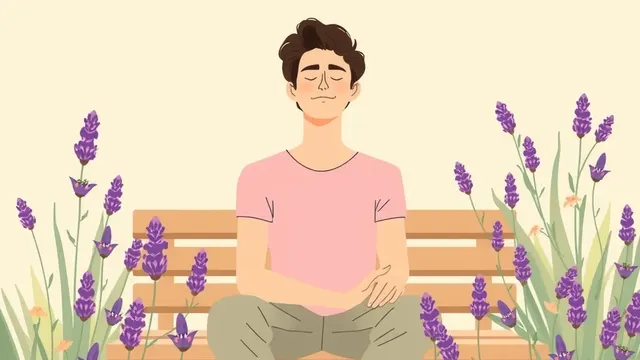
- Breathe slowly. A few slow breaths, with the breath out a little longer than the breath in, help many people settle. Our guide to breathing exercises walks you through box breathing and other simple patterns, and explains when each one fits.
- Move a little. A short walk, some stretching or a dance around the kitchen can take the edge off for many people. You don't need a gym.
- Protect your sleep. Stress and sleep affect each other. The CDC says most adults need 7 or more hours a night, which our guide on how much sleep you need explains. Steady sleep hygiene habits, like a consistent wake time and a wind-down hour, can make stressful stretches feel more manageable.
- Notice caffeine and alcohol. Both can affect sleep and mood. If you lean on either more during stressful weeks, that's worth noticing without judgment.
Area 2: Your mind
You can't always change what's stressing you, but you can change how you relate to it.
- Name it. Saying "I'm feeling stressed about the rent" can make a vague, heavy feeling more specific and easier to work with.
- Come back to the present. Short practices from our mindfulness for beginners guide help you notice when your mind is spinning into "what if" thoughts and gently return to what's in front of you.
- Talk to yourself like a friend. If a friend were in your shoes, you'd probably be kinder to them than you are to yourself. Try using that tone.
- Write it down. Putting worries on paper can help some people see them more clearly and stop rehearsing them in the middle of the night.
Area 3: Your schedule
A lot of stress comes from having more to do than time to do it. Small changes to your schedule can open some breathing room.
- List what's on your plate. Write down everything you're carrying this week, big and small.
- Sort it. Mark each item as "must do," "could wait" or "could drop or hand off."
- Protect small breaks. Put two or three ten-minute breaks on your calendar the same way you'd schedule a meeting.
- Say no to one thing. Turning down one request, kindly and clearly, can free more time than you'd expect.
Area 4: Your support
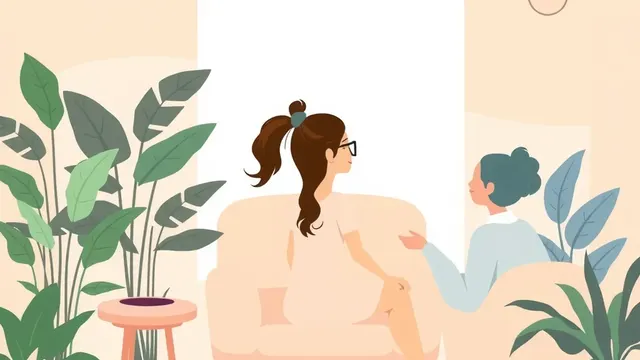
Stress feels heavier when you carry it alone. Support can mean a friend who listens, a family member who helps with errands, a coworker who covers a shift, or a professional. A licensed therapist or your doctor can help when stress feels like more than you can handle, and our guide on when to get help explains the signs and how to find care.
Build your stress toolkit
A stress toolkit is a short, written list of things that help you, sorted by how much time they take. Keep it somewhere you'll see it. Here's a sample to adapt:
| Time | Body | Mind | Connection |
|---|---|---|---|
| 1 minute | Five slow breaths | Name the feeling | Send a quick "thinking of you" text |
| 10 minutes | A walk around the block | Write a quick worry list | Call a friend on your commute |
| 30 minutes or more | A stretch session or bike ride | A guided body scan | Meet someone for coffee or a walk |
The best toolkit is one you'll actually use, so keep it realistic. If a tool doesn't help after a fair try, swap it for another.
Example: a stressful week, step by step
Example: Jordan has a work deadline, a sick pet and a family visit all in the same week. On Sunday night they write out everything on their plate, push two non-urgent errands to next week, and ask a neighbor to help with the dog's vet ride. Each afternoon, they take a ten-minute walk after lunch. When they notice their jaw clenching at their desk, they do five slow breaths. The week is still busy, but it feels more manageable, and they go to bed at the same time most nights.
Common stress traps
- Waiting until you're overwhelmed. Tools work better as daily habits than as emergency fixes.
- Trying to change everything at once. One small step, kept up, beats a long list you abandon.
- Comparing yourself to others. Everyone's load is different, and what looks easy for someone else may not be.
- Buying your way out. Pricey retreats and gadgets aren't required. If you're weighing a paid program, our guide to whether health programs are worth it can help you decide.
When stress needs more than a toolkit
Everyday tools help with everyday stress, but they aren't a replacement for care. If stress has been building for weeks, if you're having trouble getting through the day, or if you're feeling hopeless, please reach out to your doctor or a licensed therapist. They can help figure out what's going on and what kind of support makes sense for you.
Something to try today
Write your own three-row toolkit on a sticky note: one thing that takes a minute, one that takes ten minutes, and one that takes half an hour. Put it where you'll see it tomorrow morning, and use the one-minute tool at least once before lunch.
Want a structured wellness program?
Some people like the structure of a paid program. This button opens a third-party health or wellness program from one of our advertising partners. Its claims are its own, not ours, and haven't been evaluated by us or the FDA. Talk to your doctor before starting any program, diet or supplement, and weigh any offer against our health red flags checklist.
See the partner program →We may be paid when you click. The program shown can change. Read its terms before you buy anything. How this works
Frequently asked questions
Is all stress bad for you?
No. Some stress is a normal response to challenges and can help you focus or rise to a deadline. It becomes more of a problem when it feels constant, when you rarely get a chance to recover, or when it starts to affect sleep, relationships or daily life.
How long does it take for stress management to work?
It varies from person to person. Some tools, like slow breathing, may help you feel a little calmer in the moment, while habits like regular movement and better sleep tend to build over time. Be patient and keep the steps small.
Should I see a doctor about stress?
If stress feels overwhelming, lasts for weeks, or comes with changes in sleep, appetite, mood or physical symptoms that worry you, talk to your doctor or a licensed therapist. They can help you sort out what's going on and what support fits.