How to Protect Your Back
To protect your back, lift with your legs while keeping loads close, avoid twisting while you carry things, stay active in ways that work your core, and change positions often during the day. Your sleep setup and how you sit matter too. Most everyday back aches settle with time, but see a doctor for back pain that is severe, lasts more than a few weeks or seems unusual for you.
Back care is one of the daily habits we cover in our Everyday Health section. Like posture, it's mostly about small, repeated choices rather than one big fix.
Everyday habits that support your back
Your back works all day, not just when you lift something heavy. Habits that help many people:
- Move often. Long stretches in one position, sitting or standing, can leave your back stiff.
- Stay generally active. Walking, swimming, cycling and other activity you enjoy keep your body used to moving.
- Carry loads evenly. Use both shoulder straps on a backpack, or switch sides often with a shoulder bag.
- Wear comfortable shoes for long days on your feet.
If you spend most of your day at a desk, our guide to posture at work walks through chair, screen and keyboard setup step by step.
Lifting basics
Many back strains happen when lifting or moving things. A simple lifting routine:
- Plan first. Check the weight by tipping one corner. Clear your path.
- Get close. Stand near the object with your feet about shoulder-width apart.
- Bend at your hips and knees, not just your waist.
- Tighten your stomach muscles gently as you lift.
- Lift with your legs, keeping the load close to your body.
- Turn with your feet, not by twisting your back.
- Set it down the same way, bending your knees.
| Situation | Back-friendly option |
|---|---|
| Groceries | Split into more, lighter bags |
| Moving furniture | Ask for help or use a dolly |
| Overhead storage | Use a sturdy step stool and keep heavy items lower |
| Laundry baskets | Hold close to your body; carry smaller loads |
| Yard work | Take breaks and switch sides when raking or shoveling |
If something feels too heavy, it is. Get help.
Core activity, explained simply
Your "core" is the group of muscles around your stomach, sides, back and hips. Keeping them active helps support everyday movement. You don't need special equipment. Gentle options many beginners try:
- Bridges: lie on your back with knees bent, then lift your hips and lower them slowly.
- Bird dogs: on hands and knees, extend one arm and the opposite leg, then switch.
- Walking: a simple way to keep your whole body moving.
Start slowly and stop if anything causes pain. If you have a back condition, are pregnant, or are recovering from an injury, ask your doctor or a physical therapist which exercises fit you. Our guide to stretching for beginners describes gentle stretches and how to do them without forcing anything.
Sleep and your back
How you sleep can affect how your back feels in the morning. Some ideas:
- Choose a mattress and pillow that feel supportive and comfortable to you.
- If you sleep on your side, a pillow between your knees feels better for some people.
- If you sleep on your back, a pillow under your knees may help.
- Get up slowly: roll to your side and push up with your arms.
Screens, necks and backs
Leaning toward a phone or screen for long periods can leave your neck and upper back tight. Breaks for your eyes are a natural time to reset your posture too, so our guide to reducing eye strain pairs well with back care. Try raising your phone closer to eye level instead of looking down.
Back care during chores and hobbies
Many back aches come from everyday tasks rather than the gym. A few habits make chores easier on your back:
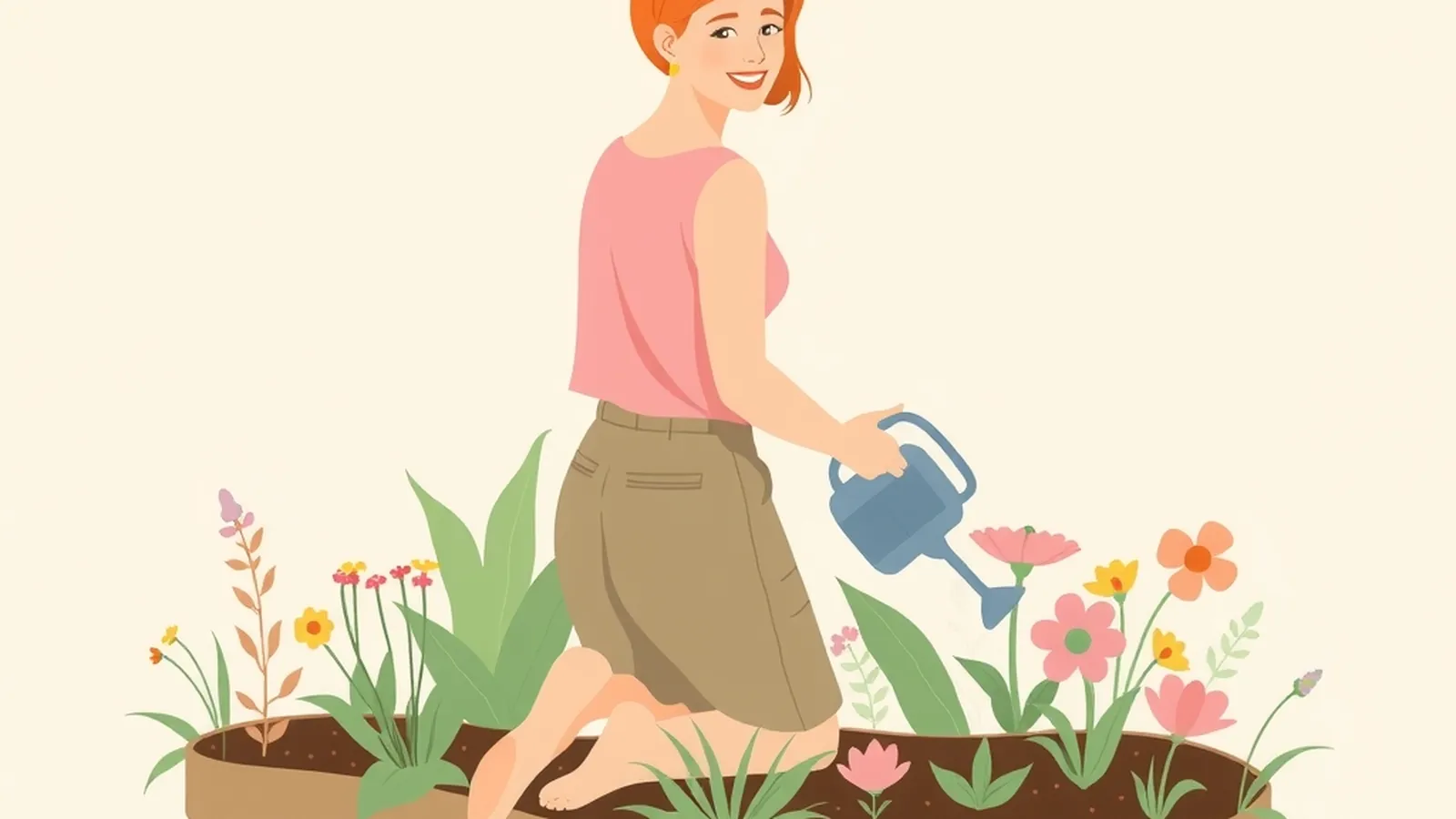
- Gardening: kneel on a pad or sit on a low stool instead of bending over for long stretches.
- Vacuuming and mopping: keep the handle close and walk with the tool rather than reaching far.
- Shoveling: push rather than lift when you can, take smaller scoops and rest often.
- Driving: adjust your seat so you sit upright with your knees about level with your hips, and stop for breaks on long trips.
- Caring for little ones: squat down to pick them up and hold them close to your body.
Spreading big jobs across several shorter sessions is often easier on your body than doing everything in one go.
When back pain needs a doctor
Most everyday back aches get better with time. But some pain needs a professional. Talk to your doctor if your back pain:
- Is severe or keeps getting worse
- Lasts more than a few weeks
- Wakes you up at night
- Comes with numbness, tingling or weakness in your legs
- Spreads down one or both legs
- Comes with fever or unexplained weight loss
- Feels unusual or different from pain you've had before
Get emergency care (call 911) for back pain with loss of bladder or bowel control, numbness in the groin area, or after a serious fall or accident.
This article is general information, not medical advice. Don't start, stop or change any medication for back pain without talking to your doctor or pharmacist.
A worked example
Example: Robin is moving to a new apartment and worries about their back. They rent a dolly, pack books into small boxes instead of large ones, and ask two friends to help with the couch. They lift by bending their knees and keeping boxes close. During breaks, they walk around and do a few gentle stretches. The next day, their back feels a bit tired, but not sore.
Back care over the years
Back care is part of a bigger set of long-term habits, like staying active, sleeping well and keeping up with checkups. Our guide to healthy habits for your 30s and 40s shows how they fit together.
Something to try today
The next time you pick something up, even a laundry basket or a bag of groceries, slow down and walk through the lifting steps above. Then try one gentle core move, like a few slow bridges, and notice how it feels.
Want a structured wellness program?
Some people like the structure of a paid program. This button opens a third-party health or wellness program from one of our advertising partners. Its claims are its own, not ours, and haven't been evaluated by us or the FDA. Talk to your doctor before starting any program, diet or supplement, and weigh any offer against our health red flags checklist.
See the partner program →We may be paid when you click. The program shown can change. Read its terms before you buy anything. How this works
Frequently asked questions
What's the safest way to lift something heavy?
Get close to the object, bend at your hips and knees, keep the load near your body and lift with your legs while avoiding twisting. If something feels too heavy, get help or use a cart. Ask your doctor or a physical therapist about lifting if you have a back condition.
Should I rest in bed when my back hurts?
For everyday aches, many people find that gentle movement feels better than long stretches of bed rest, but every situation is different. Ask your doctor what's right for you, especially if the pain is severe or followed an injury.
When does back pain need a doctor?
See a doctor if back pain is severe, lasts more than a few weeks, keeps getting worse, wakes you at night, or comes with numbness, tingling or weakness in your legs. Get emergency care for back pain with loss of bladder or bowel control, or after a serious fall or accident.